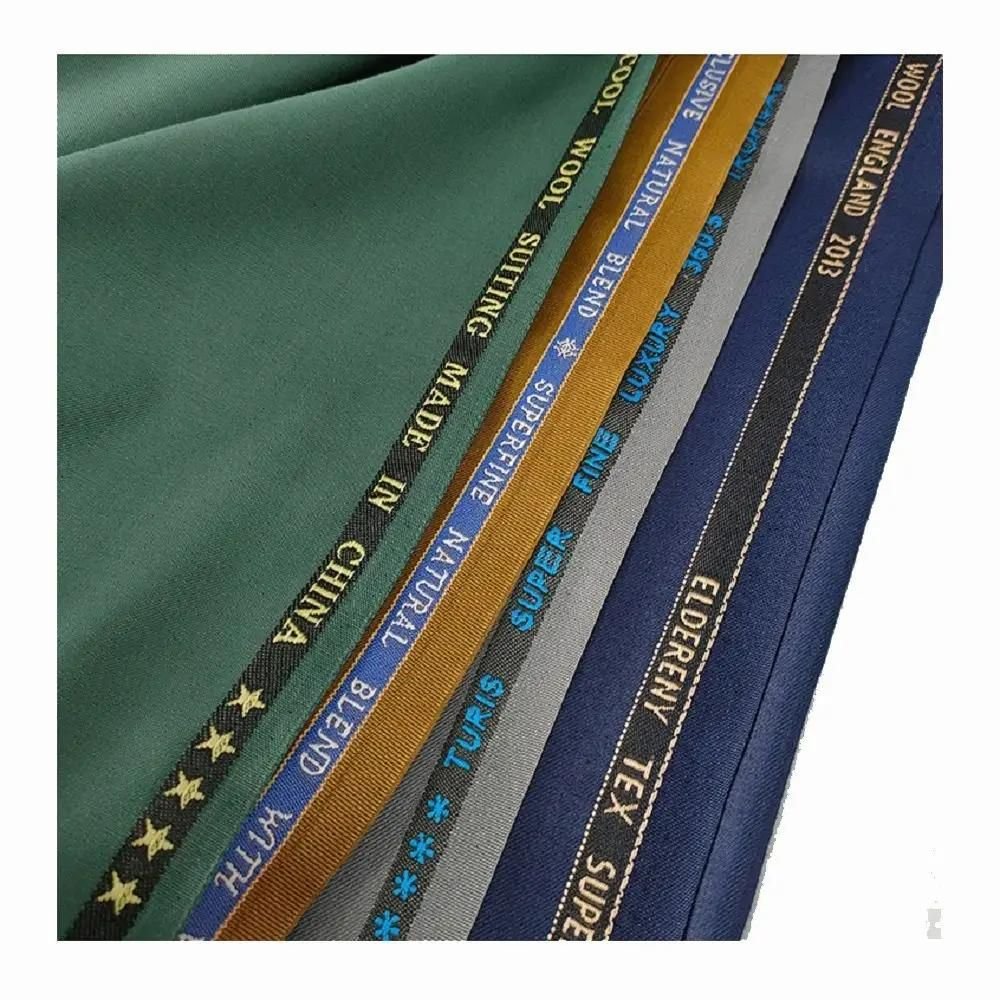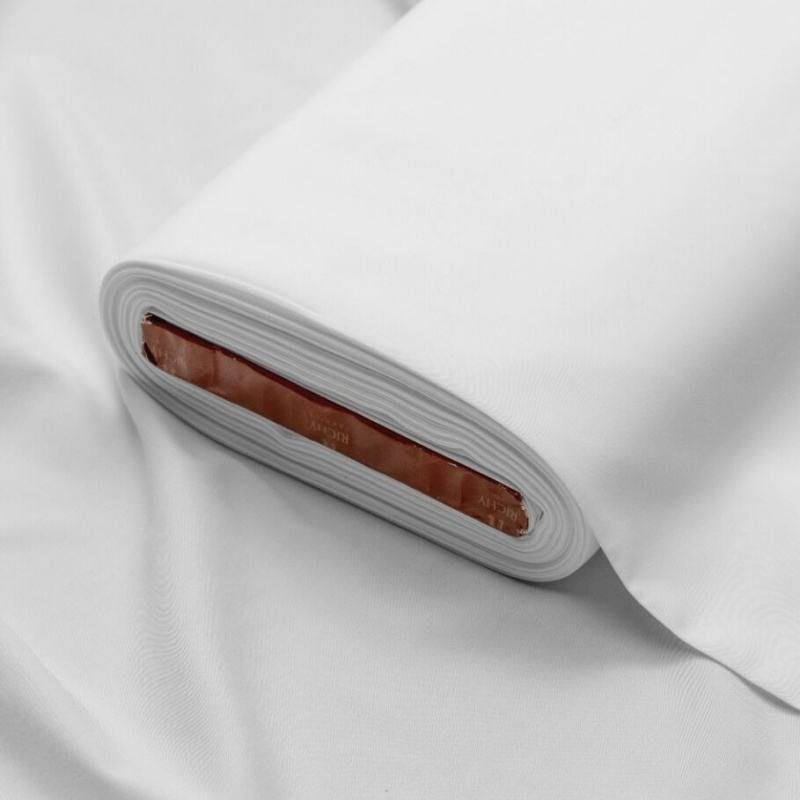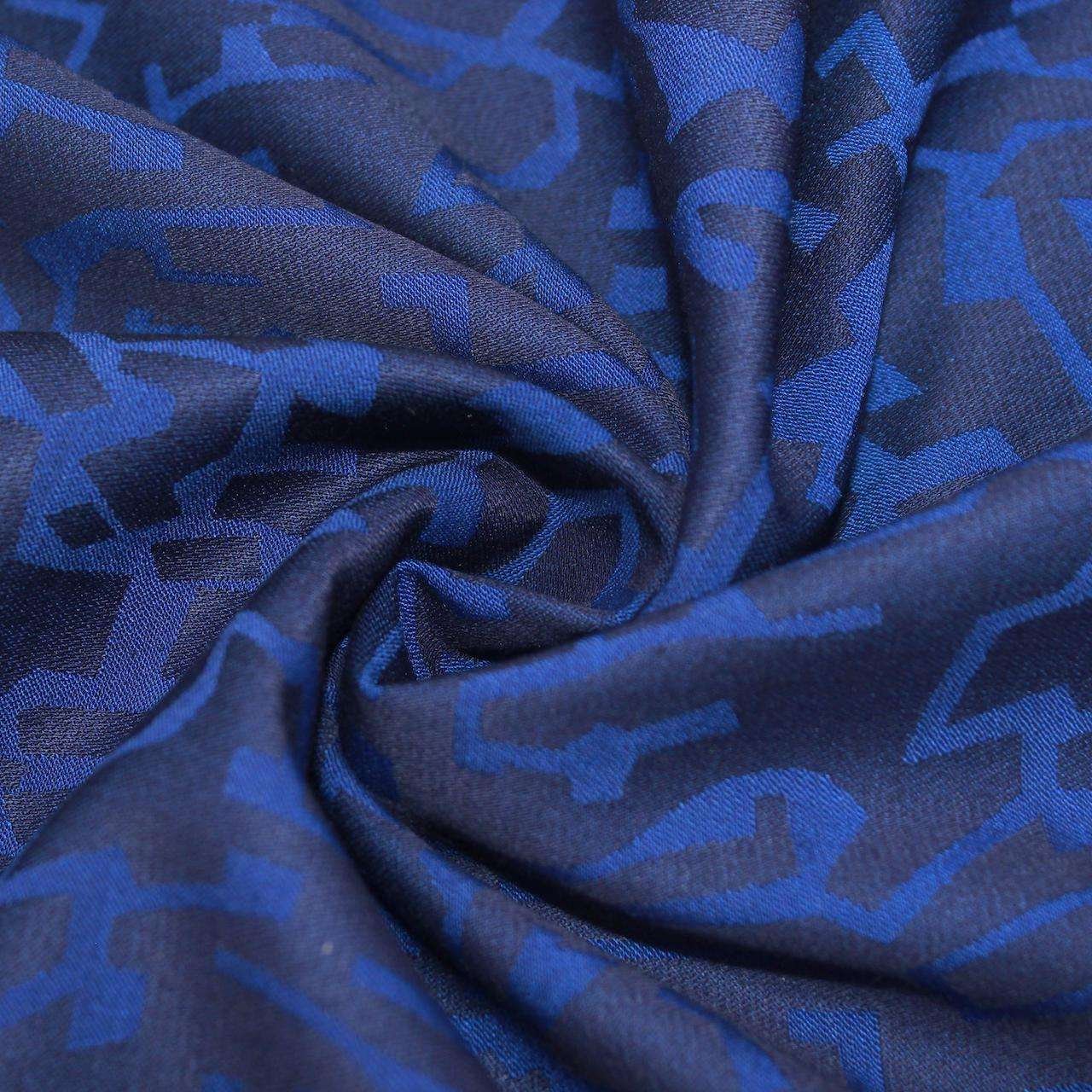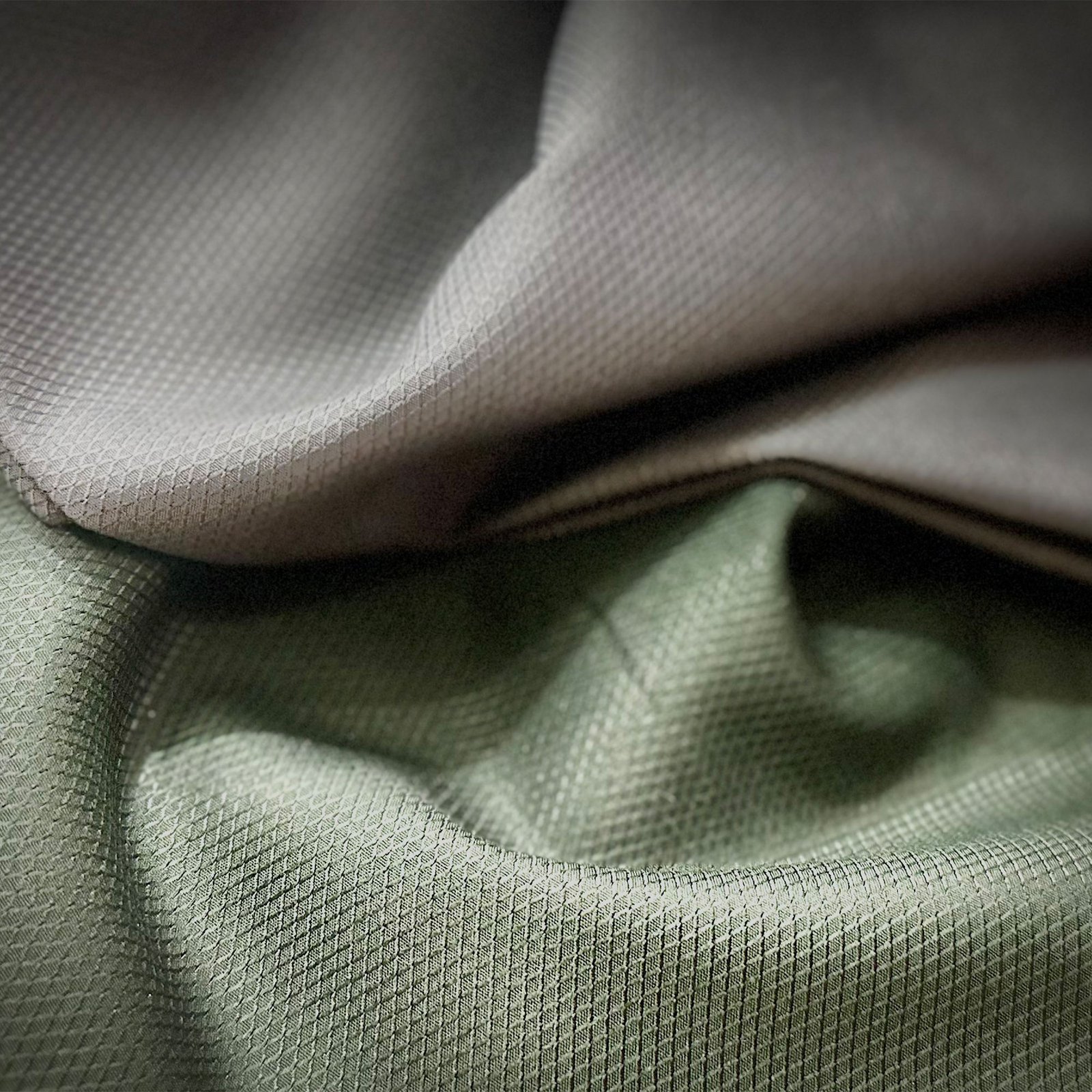
There is no single best fabric for a thobe — the right cloth is decided by season, occasion and budget — and for Gulf wholesalers and garment factories the practical answer is a three-part stock programme: a lightweight woven polyester or poly-cotton at 110–150 GSM for summer daily wear, a heavier polyester or TR at 160–200 GSM for winter, and a structured suiting-type cloth for formal and embroidered thobes. As a factory that has exported thobe, kandura and djellaba fabric to Saudi Arabia, the UAE and Kuwait for ten years, we see this question from both sides of the order sheet. Retailers and tailors ask us which fabric feels best; importers ask which cloth sells fastest at each price point. This guide answers both, with the weight ranges, fibre trade-offs and verification steps that turn a fabric choice into a reorderable product.
The Short Answer: Match the Fabric to the Use
For a thobe, the best fabric is the one that matches how the garment will be worn — lightweight and breathable for summer days, heavier and warmer for winter, crisp and structured for formal occasions, and easy-care for travel and daily wear. The table below is the selection shortcut we give to buyers planning a new season.
| Use case | Recommended fabric | Finished GSM | Why it wins |
|---|---|---|---|
| Summer daily wear | Polyester or poly-cotton plain weave | 110–140 | Breathable, wrinkle-resistant, fast-drying |
| Summer premium | TR or fine cotton poplin | 110–135 | Softer hand feel, better drape |
| Winter daily wear | Brushed polyester or TR twill | 180–220 | Warmth with a clean, full-bodied look |
| Formal / occasions | Suiting-type polyester or TR | 200–240 | Crisp surface, holds shape, drapes well |
| Embroidered styles | Structured poly-cotton or TR | 160–200 | Holds dense stitching without sagging |
| Travel / low maintenance | Poly-cotton or microfiber polyester | 120–160 | Wrinkle-resistant, quick-drying |
A retail range that covers these six rows with three or four constructions can satisfy nearly every customer who walks into a Gulf fabric shop, which is why most of our wholesale customers reorder the same mix every season rather than chasing novelty.
What Makes a Fabric Good for a Thobe in the First Place
Five measurable qualities decide whether a thobe fabric is good: breathability, drape, wrinkle resistance, colour fastness and easy care — and a buyer can check all five on a swatch and a test report before committing to bulk. These are the criteria GCC tailors and wearers actually notice:
- Breathability. A thobe is worn close to the body for hours in hot climates. Open, lightweight weaves in cotton, poly-cotton or fine polyester let air move and reduce the clammy feeling that cheap dense polyester can cause.
- Drape. The cloth should fall smoothly from the shoulders and settle without standing stiffly away from the body. Drape is judged on a hanging swatch, not in the hand.
- Wrinkle resistance. Daily thobes are worn, folded and packed repeatedly. Anti-wrinkle finished polyester and poly-cotton come out of a suitcase looking presentable; untreated cotton does not.
- Colour fastness. White dominates the market, but beige, grey, navy and festive shades need to survive repeated washing without fading or bleeding, so colour fastness to washing and light should be on every test report.
- Easy care. Fabric that needs no ironing sells at a premium in the Gulf because household staff and busy owners value the convenience.
If a cloth fails on any of these five, no marketing story about its origin will save it at the point of reorder.

The Main Thobe Fabric Families Compared
The thobe market runs on four fibre families — cotton, poly-cotton, polyester and TR — and each one answers a different combination of comfort, care and price, with TR blends the fastest-growing choice for premium daily wear. For a full fibre-by-fibre introduction, our guide to what fabric a thobe is made of covers the six constructions in detail; the comparison below focuses on what changes when you buy.
| Fabric family | Typical blend | Hand feel | Care level | Price per meter (FOB) | Best use |
|---|---|---|---|---|---|
| 100% cotton | 100% cotton | Soft, natural, breathable | Ironing required | $0.90–$1.60 | Summer, natural-feel premium |
| Poly-cotton (TC) | 65/35 or 55/45 | Balanced, easy-care | Low | $0.76–$1.05 | Everyday, travel, school wear |
| Polyester (filament/spun) | 100% polyester | Smooth, crisp or soft | Very low | $0.76–$1.60 | Daily, summer, travel |
| TR (polyester-viscose) | 65/35 to 50/50 | Soft drape, silky | Low | $0.95–$1.60 | Premium daily, formal, winter |
| Microfiber polyester | 100% polyester | Very soft, thin | Very low | $0.80–$1.20 | Budget easy-care, summer |
Two practical notes from the export desk. First, composition is the biggest cost driver: a switch from standard polyester to TR typically adds $0.15–$0.40 per meter but buys a noticeably better hand feel that supports a higher retail price. Second, the label on the bolt matters less than the specification, because the same fibre content can feel completely different depending on yarn type and finishing. Always compare on finished GSM, yarn and finishing route, not on the fabric name alone.
The Best Thobe Fabrics for Summer
Summer is when fabric choice matters most in the Gulf, and the best summer thobe fabrics are lightweight weaves at 110–150 GSM — led by filament polyester, fine TR and cotton-rich poplin — because they balance breathability, opacity and easy care in 40-degree heat. Three constructions dominate our summer export orders:
- Fine filament polyester at 110–125 GSM is the default daily-wear white thobe fabric across Saudi Arabia. It feels smooth, dries quickly after hand washing, and resists wrinkles through a full day. Good quality filament polyester is opaque at this weight; cheap cloth is not, so check opacity against light on a doubled swatch.
- TR at 115–140 GSM is the premium summer upgrade. The viscose content softens the hand feel and improves moisture absorption, which makes the thobe more comfortable against the skin in humid cities such as Jeddah and Dammam.
- Cotton poplin and poly-cotton at 120–140 GSM serve the natural-fibre customer who accepts some ironing for a breathable, crisp cotton feel. Poly-cotton keeps most of that feel with far less care.
For the full weight-by-season breakdown, our thobe fabric GSM guide explains the 110–220 GSM range and how to confirm that the quoted weight is the finished weight, which is where most summer fabric disputes actually start.
Winter, Formal and Embroidered Thobe Fabrics
For winter, formal wear and heavy embroidery, the best thobe fabrics are heavier and more structured — brushed polyester and TR at 180–220 GSM for daily warmth, suiting-type cloth at 200–240 GSM for occasions, and structured poly-cotton at 160–200 GSM for embroidered styles that need to hold their shape. Cooler Gulf months run roughly from December to February, and demand shifts predictably:
- Winter daily wear. Navy, grey, beige and black thobes at 180–220 GSM in twill or densely woven plain constructions. Brushed polyester adds warmth without weight; heavier TR feels softer against the skin in cooler weather.
- Formal and festive. Eid, weddings and majlis occasions call for cloth with a clean surface and strong shape retention — typically a suiting-type polyester or TR at 200–240 GSM that drapes crisply and photographs well.
- Embroidered thobes. Dense embroidery pulls on the base fabric, so lightweight cotton can pucker or sag. A structured poly-cotton or TR at 160–200 GSM carries the stitching cleanly, which is why embroidered styles are usually built on slightly heavier cloth.
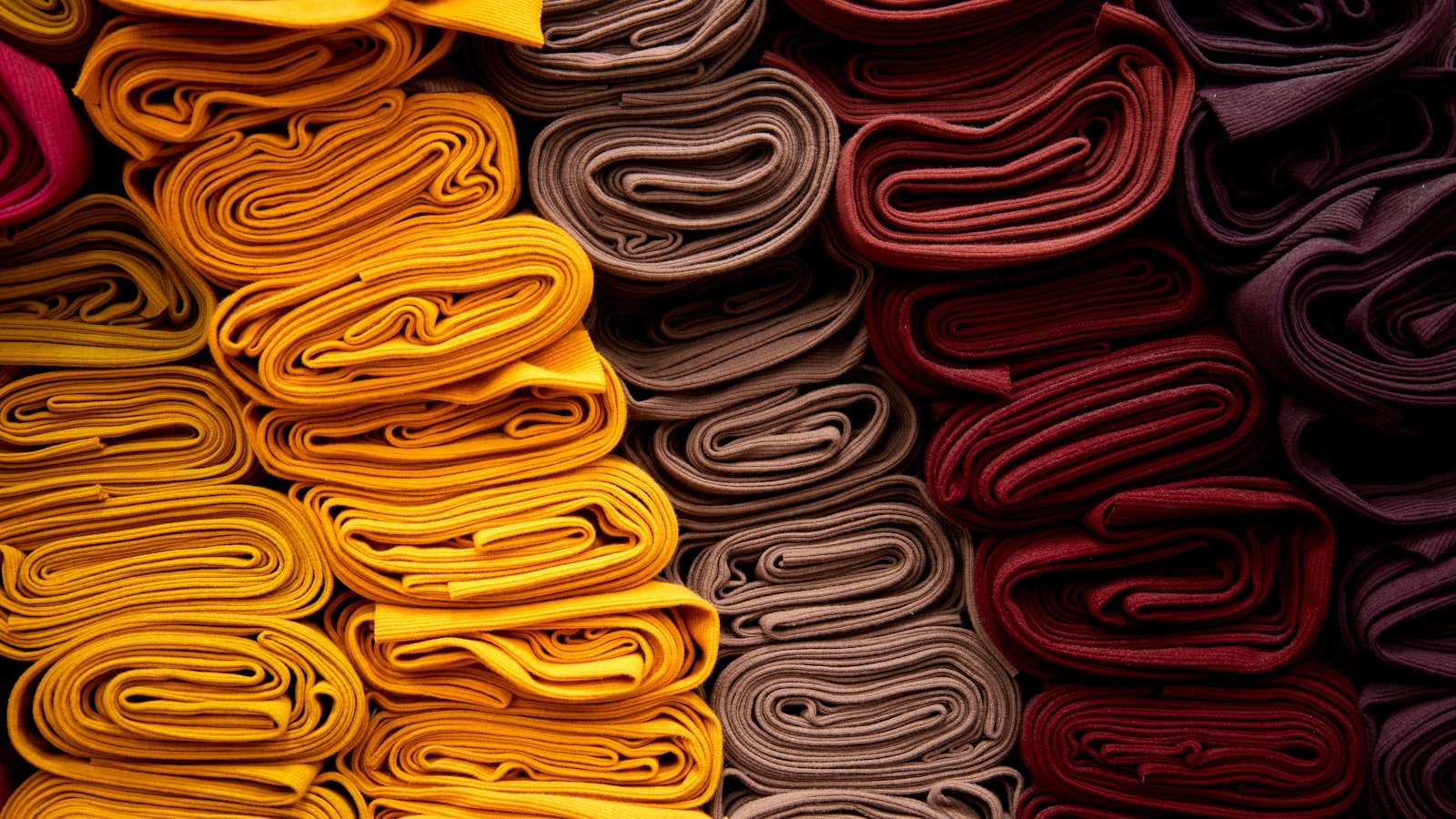
One planning point for range buyers: although white is the backbone of the thobe market, seasonal colours drive the fourth-quarter uplift. Shops that add beige, sand, navy and grey in winter weights from September onward catch the cooler-month and festive demand that plain-white-only ranges miss.
How Gulf Wholesalers and Factories Should Choose
Professional buyers do not choose thobe fabric by name — they write a specification covering finished GSM, composition, weave and finishing, then verify it on a physical swatch and test report before bulk, which is the same discipline whether you buy 300 meters or 30,000. The order flow we recommend to every new customer:
- Fix the use case and selling price of the finished thobe to set a GSM band and a price ceiling per meter.
- Choose the fibre family against that band, using the comparison above.
- Request a physical swatch of 1–3 meters per colour — fabric is free, and you pay only the courier.
- Confirm the specification in writing: finished GSM, composition percentage, width, yarn type and finishing route.
- Ask for test reports covering shrinkage, colour fastness and pilling, and approve a lab dip for any new shade before bulk.
New importers who want the full process from sample to container can follow our guide to buying thobe fabric wholesale online, which covers MOQ, payment terms and lead times step by step. Factories developing their own branded thobe range will find our custom manufacturing guide more relevant.
FAQ: Best Fabric for Thobe
- What is the best fabric for a thobe? No single fabric wins everywhere; match cloth to use. Lightweight polyester, poly-cotton or TR at 110–150 GSM covers summer, heavier cloth at 160–220 GSM covers winter, and structured suiting-type fabric at 200–240 GSM covers formal wear.
- Which thobe fabric is best for summer? A breathable weave at 110–150 GSM — filament polyester and TR at 110–125 GSM lead daily sales, cotton or cotton-rich poplin at 120–140 GSM serves the natural-fibre customer.
- What is the best fabric for a winter thobe? Brushed polyester, TR or cotton-rich weaves at 180–220 GSM, usually in darker shades, with suiting-type cloth at 200–240 GSM for formal winter occasions.
- Is cotton or polyester better for thobe fabric? Cotton wins on breathability and natural feel but needs ironing; polyester wins on easy care and wrinkle resistance; blends such as TC and TR combine both and dominate the market.
- How do Gulf wholesalers choose which thobe fabric to stock? They specify finished GSM, composition, weave and finishing, verify on swatches and test reports, and order samples before bulk — a process that makes fabric quality reorderable.
Choosing the right fabric is the difference between a thobe that sells once and one that sells for years. Send your target season, weight range and monthly volume to our export team through the contact page, and we will reply within one business day with matched swatches, a written specification and a firm FOB price.
Frequently Asked Questions
What is the best fabric for a thobe?
There is no single best thobe fabric, because the right choice depends on season, occasion and budget, but two workhorses cover most of the Gulf market: 100 percent cotton or a cotton-rich blend for hot-weather daily wear, and polyester or TR (polyester-viscose) fabric for low-maintenance everyday and formal thobes. As a rule of thumb that we give wholesale buyers, a balanced stock programme carries a lightweight woven polyester or poly-cotton at 110-150 GSM for summer, a heavier polyester or TR at 160-200 GSM for cooler months, and a structured suiting-type cloth for formal occasions. Cotton gives the most breathable natural feel, polyester gives the easiest care and best wrinkle resistance, and TR blends sit between the two with a soft drape that Gulf tailors and brands increasingly prefer.
Which thobe fabric is best for summer?
The best thobe fabric for summer is a lightweight, breathable woven cloth in the 110-150 GSM range, and the top-selling option across Saudi Arabia and the UAE is a fine polyester, poly-cotton or TR fabric with a soft, opaque finish that does not cling in heat. Filament polyester and TR at 110-125 GSM are the most popular for daily white thobes because they stay smooth, dry fast after washing and resist the wrinkles that build up through a long working day. Buyers who want a natural hand feel choose 100 percent cotton poplin or a cotton-dominant poly-cotton at 120-140 GSM and accept more ironing in exchange for breathability. For outdoor summer wear in very humid Gulf cities, lighter colours in a 110-130 GSM cloth feel noticeably cooler than heavier or dark weaves.
What is the best fabric for a winter thobe?
The best fabric for a winter thobe is a heavier woven cloth in the 160-220 GSM range that traps warmth without looking bulky, and the most common choices are brushed polyester, heavier TR blends and cotton-rich weaves with a fuller body. In Saudi Arabia and the UAE, winter-weight thobes are typically ordered at 180-220 GSM in darker shades such as navy, grey, beige and black, often in a twill or a densely woven plain construction. TR blends perform particularly well in winter because the viscose content softens the hand feel and improves insulation against the skin, while the polyester keeps the cloth easy to care for. For formal winter occasions, a suiting-type fabric at 200-240 GSM with a smooth surface and good shape retention is the standard choice.
Is cotton or polyester better for thobe fabric?
Cotton is better when breathability and a natural feel are the priority, while polyester is better when wrinkle resistance, easy care and durability matter more, and the two are usually blended rather than chosen as opposites. 100 percent cotton breathes well and feels soft, but it creases quickly and needs ironing after every wash. Polyester holds its shape, dries fast and shrugs off wrinkles, which is why most everyday and travel thobes use polyester or poly-cotton cloth, but low-grade polyester can feel less breathable in extreme heat. The practical middle ground that dominates the Gulf market is a poly-cotton blend such as TC (65/35 or 55/45) or a TR blend, which keeps enough cotton or viscose for comfort and enough polyester for easy care.
How do Gulf wholesalers choose which thobe fabric to stock?
Gulf wholesalers and garment factories choose thobe fabric against a written specification rather than a fabric name, and the four inputs they compare are finished GSM, fibre composition, weave and finishing route, plus price per meter. A typical buying decision starts with the target season and selling price of the finished thobe, which fixes a GSM band, then moves to composition, because cotton, poly-cotton, polyester and TR each carry a different price and hand feel. Before bulk, professional buyers request a physical swatch of 1-3 meters per colour, confirm that the quoted GSM is the finished weight, and ask for shrinkage, colour fastness and pilling test reports. Ordering sample lengths first is standard practice and removes almost all disputes about quality later.