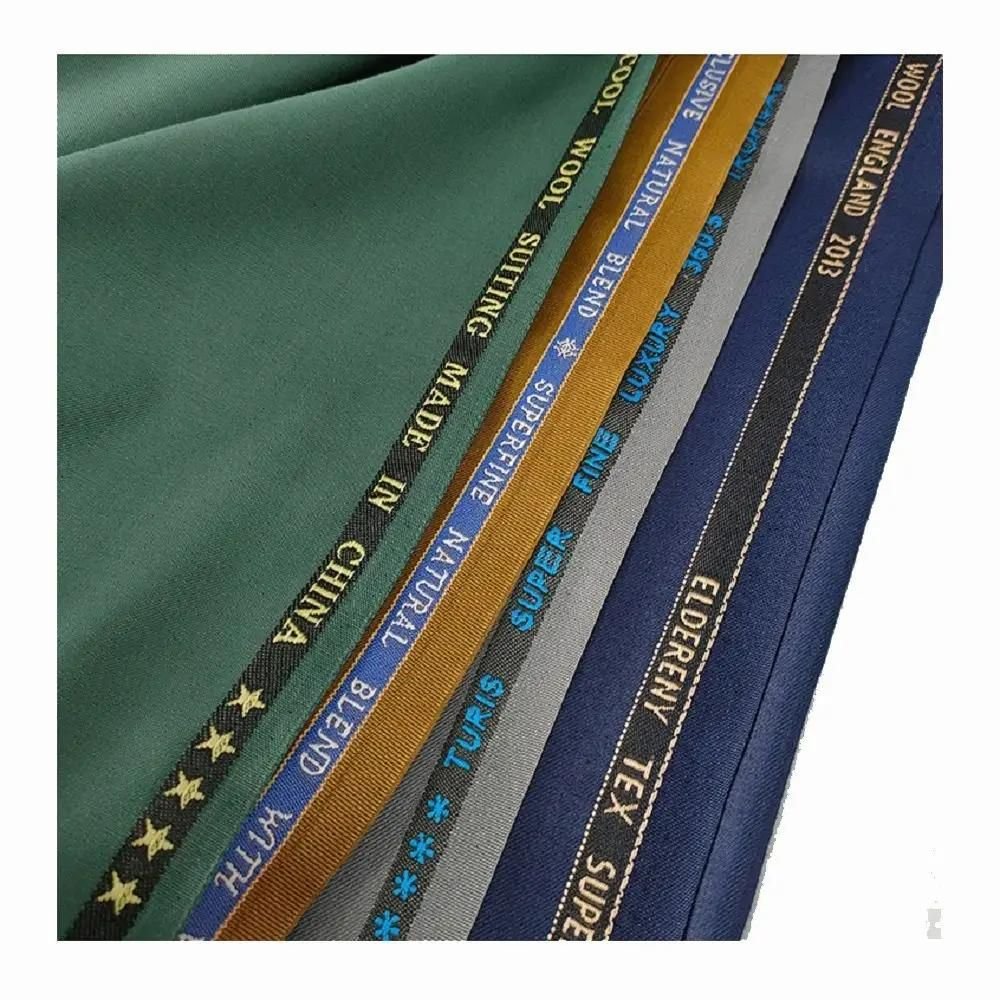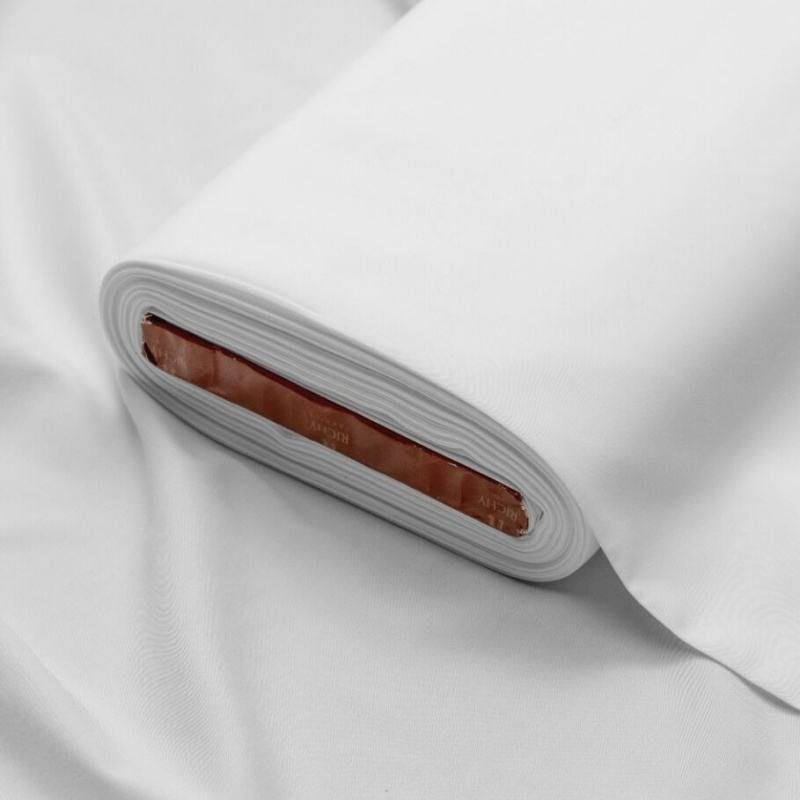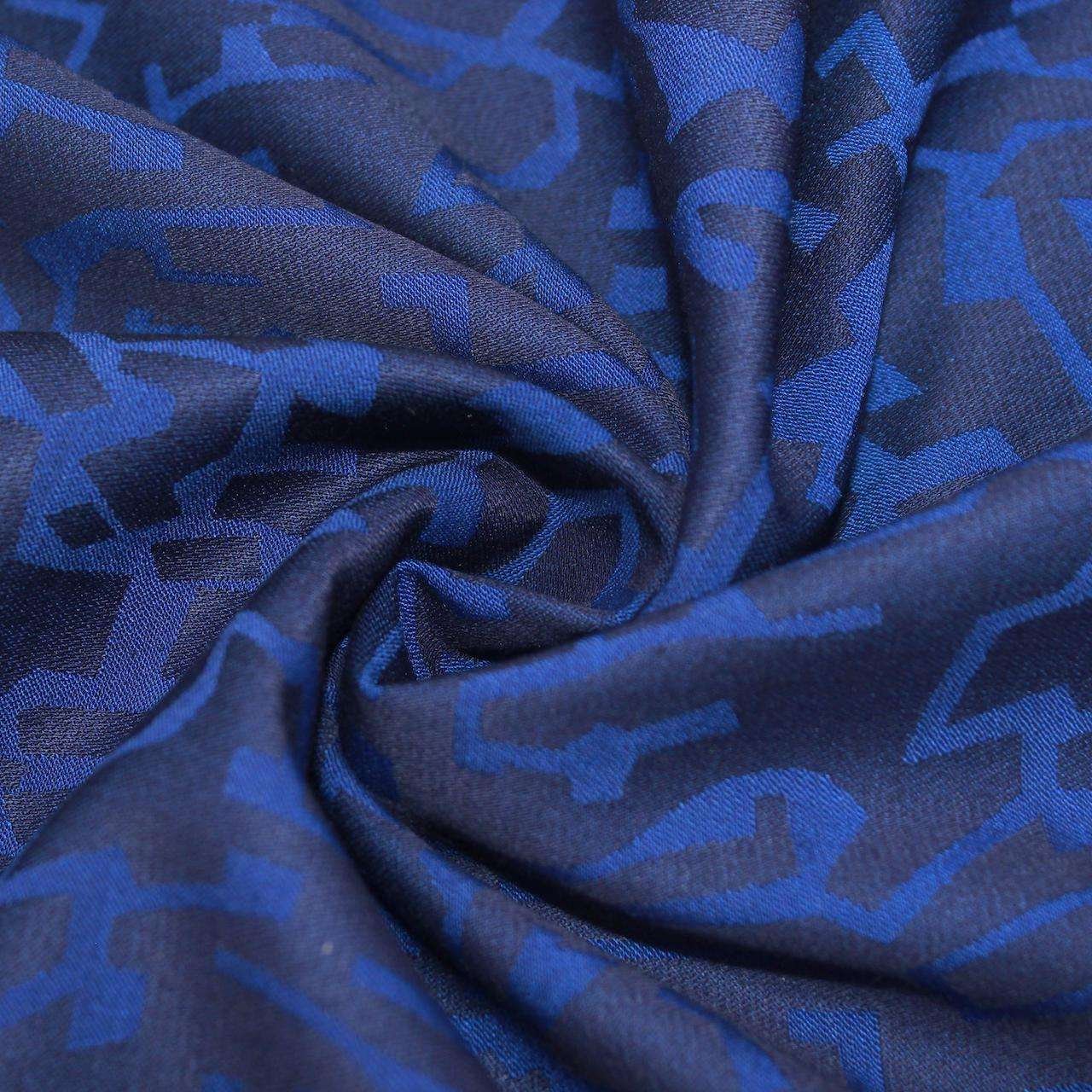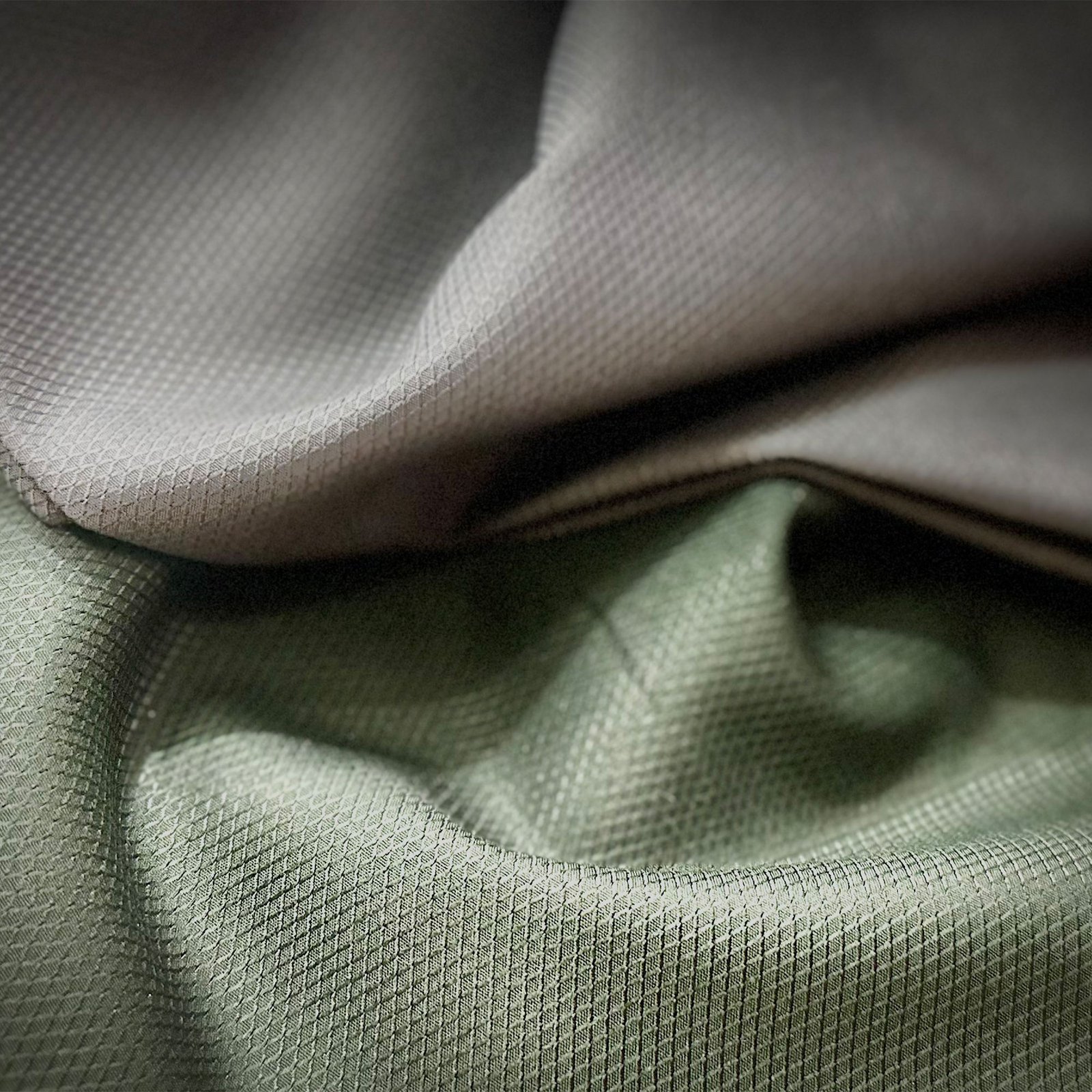
Thobe fabric is overwhelmingly 100% spun polyester, with Micro polyester and TC (polyester-cotton) blends covering most daily Saudi thobes, while TR (polyester-rayon), cotton and dobby or jacquard weaves serve premium and ceremonial lines. In ten years of exporting thobe fabric to Saudi Arabia and the GCC, we see roughly seven out of ten orders land on a polyester base, because daily wear demands a fabric that stays crisp, resists wrinkles and survives frequent washing. This guide answers the full question — what thobe fabric is made of, which type suits which market, what GSM and price to expect — so you can specify an order that sells.
The One-Minute Answer: Thobe Fabric Types at a Glance
A thobe can be made from six main fabrics, and the table below shows the composition, weight and typical use of each. The global Arab thobe fabric market was valued at roughly USD 3.87 billion in 2025 and is projected to reach USD 6.12 billion by 2032, growing at 6.8–7.5% annually, so the choice of fabric is a commercial decision as much as a technical one.
| Fabric | Composition | Typical GSM | Typical use |
|---|---|---|---|
| Polyester (spun) | 100% polyester | 100–140 | Daily thobes, workwear, uniforms |
| Micro polyester | 100% polyester microfiber (0.5–1.0 denier) | 110–125 | Best-selling daily Saudi thobe |
| TC blend | 65/35 polyester-cotton | 110–140 | Everyday thobes, hotel staff wear |
| TR fabric | 65/35 or 70/30 polyester-rayon | 150–220 | Premium, winter, ceremonial |
| Cotton | 100% cotton | 120–200 | Traditional, breathable collections |
| BS fabric | Polyester, soft-finished | 120–160 | Premium hand feel, winter thobes |
For a wholesale buyer, the pattern is consistent: polyester and polyester-dominant blends give the lowest cost, the fewest care complaints and the most reliable supply, while cotton and richer weaves sell on comfort and premium feel at a higher price.
Polyester Thobe Fabric: The Market Standard
Polyester thobe fabric is the market standard because it is wrinkle-resistant, quick-drying, colour-fast and cheap, which is exactly what a garment worn daily in the Gulf needs. Spun polyester is the construction behind most thobes exported from China to Saudi Arabia, the UAE and the rest of the GCC.
- Wrinkle resistance — polyester has natural fibre memory; a thobe pulled from the wash and hung dries smooth, with no ironing.
- Durability — polyester resists abrasion and repeated machine washing far better than cotton.
- Whiteness stability — with an anti-yellowing finish, white polyester stays whiter longer than cotton under strong sunlight and repeated washing.
- Quick drying — important in humid Gulf cities and for hotel and uniform programmes.
- Price — at roughly $0.76–$1.05 per meter in bulk, polyester is the lowest-cost construction that still looks premium.
The Saudi and Emirati market also uses regional names for the same category: what a Saudi buyer calls thobe fabric is the same product family as Emirati kandura fabric and Omani dishdasha fabric. Specification, not terminology, is what changes the order.
Micro Polyester: Why It Is the Best-Selling Thobe Fabric
Micro polyester is the best-selling thobe fabric because microfiber yarns give it a cotton-soft hand while keeping every polyester benefit. The “Micro” refers to filaments around 0.5–1.0 denier per filament, far finer than standard polyester, which is why the fabric feels smooth and drapes well instead of feeling synthetic.
Our best-selling daily specification is spun polyester Micro at 110–125 GSM — dense enough to drape and stay opaque, light enough for year-round Gulf wear. Buyers who start with this spec validate one trial colour, then scale. Below 100 GSM, a plain thobe fabric starts to look thin; above 140 GSM, the same fabric feels heavier and costs more per meter without a visible quality jump.
TR Fabric: The Premium Drape for Ceremonial Thobes
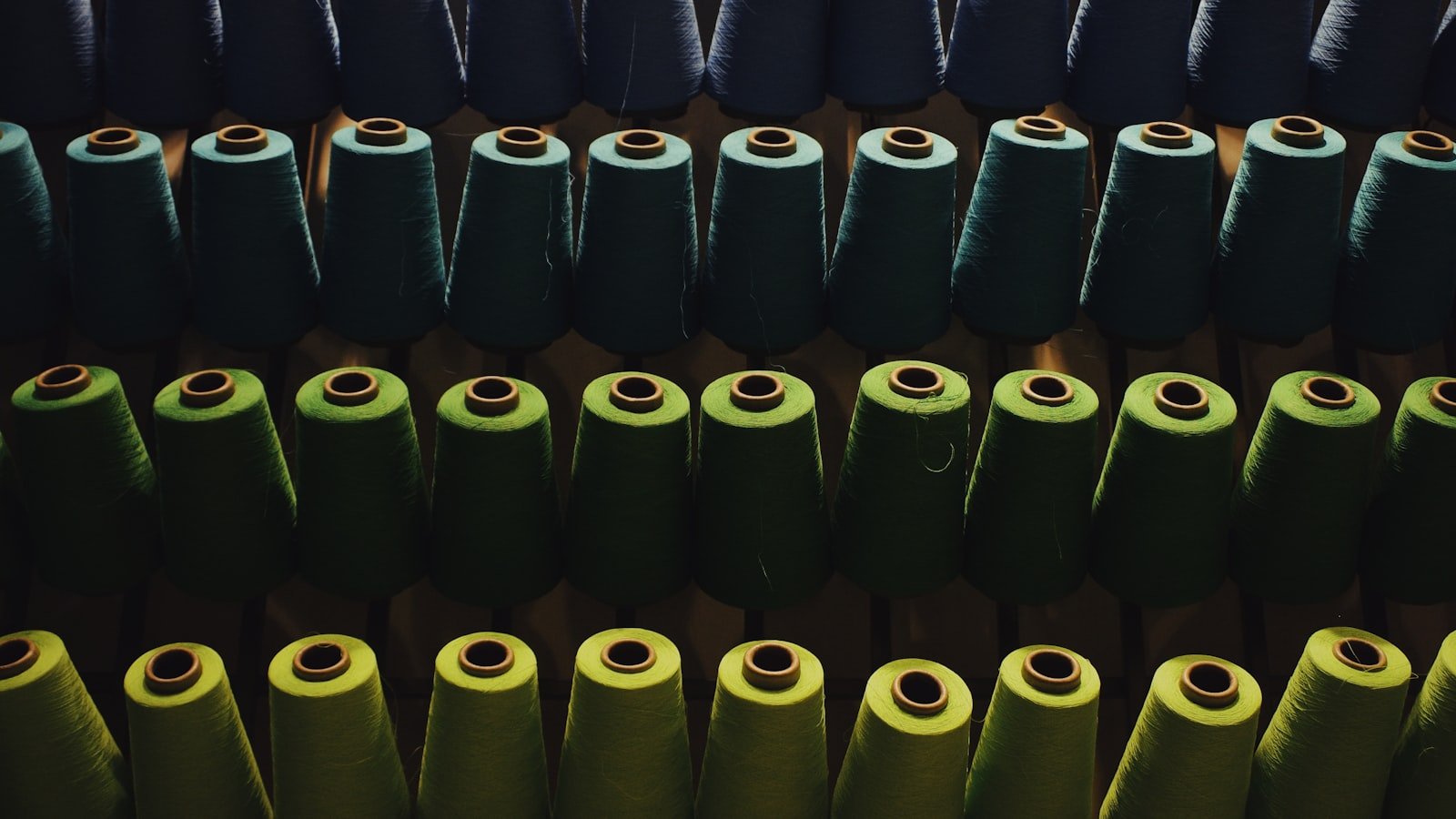
TR fabric (polyester-rayon) is the premium choice when you need a softer, richer drape than plain polyester, most often for winter, Ramadan and Eid collections. The rayon content absorbs moisture and softens the hand, while polyester keeps the fabric durable and easy-care. Common blend ratios are 65/35 and 70/30 polyester-rayon, at 150–220 GSM for thobe suiting.
TR fabric drapes with more weight and movement, which is why it is the go-to for ceremonial thobes and kanduras that need to photograph well and hold a tailored silhouette. It costs more than Micro — roughly $0.90–$1.40 per meter depending on blend ratio and finish — and it is the specification to quote when a buyer asks for a “premium” or “winter” thobe fabric. For a deeper technical comparison of the two most common blended constructions, see our TC vs TR fabric guide for thobes.
Cotton and TC Blends: When Breathability Wins
Cotton thobe fabric holds a clear niche — breathability and comfort in extreme heat — while TC blends give cotton comfort at a polyester-friendly price. Pure cotton absorbs 8–10% moisture and lets air pass through, which matters for outdoor workers and hot summer months. The costs are real: cotton creases within hours, shrinks 3–5% unless pre-shrunk, fades faster and costs 30–50% more per meter.
TC (65/35 polyester-cotton) and CVC (cotton-majority, around 60/40) sit between the two fibres on every property. They are a popular compromise for everyday thobes and a standard choice for hotel and staff uniform programmes, where cotton content improves comfort and polyester keeps laundry costs low.
BS Fabric for Thobe: The Name Gulf Buyers Ask For
BS fabric for thobe is a soft-finished polyester fabric — not a separate fibre — that Gulf buyers request for a premium hand feel at a polyester price. The term is a style code used by Chinese thobe fabric factories, describing a smooth, slightly brushed surface with a matte appearance that drapes better than standard shiny polyester. Typical construction is 100% polyester or a polyester-dominant blend at 120–160 GSM, popular for winter and ceremonial thobes.
Because the name is informal and varies between suppliers, always confirm composition, GSM and finish on the specification sheet. Two factories quoting “BS fabric” can deliver noticeably different hand feels, so a swatch check is mandatory before production.
Dobby and Jacquard: Textured Thobe Fabrics
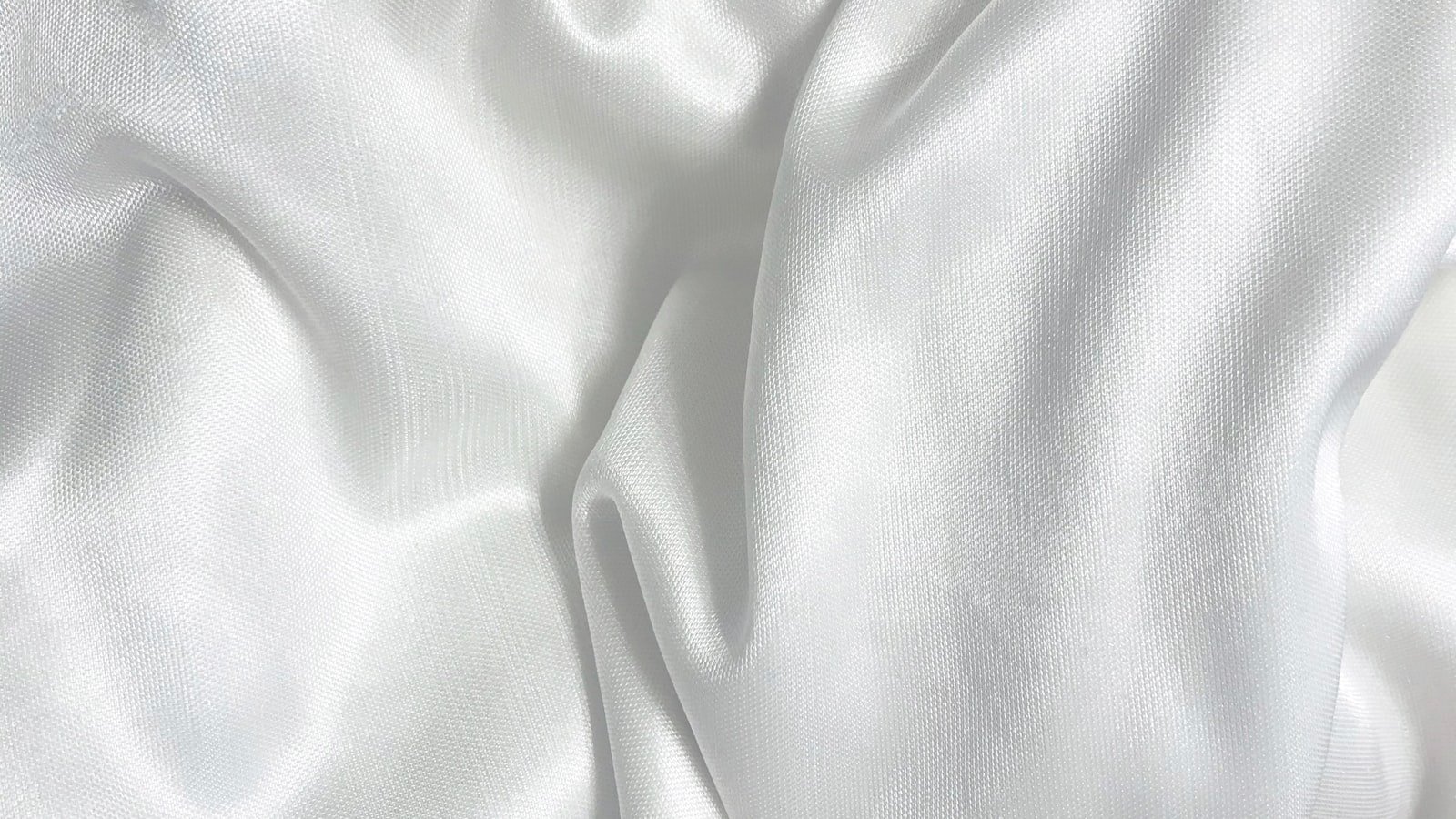
Dobby and jacquard weaves add woven texture and patterns to thobe fabric, moving the product from plain daily wear into premium territory. Dobby weaves create small geometric patterns in the weave structure, while jacquard looms allow larger, more complex motifs. Both are typically woven in polyester, TR or cotton at 150–220 GSM.
These fabrics are ordered for festive and ceremonial thobes, and for buyers who want a distinct product that cannot be confused with standard plain thobes. Dobby and jacquard cost more per meter than plain weaves because the loom setup is slower, and MOQs are usually higher — expect a per-design minimum rather than a simple per-colour minimum.
How to Identify Quality Thobe Fabric: A Buyer’s Checklist
Quality thobe fabric is judged on five points that you can verify on a swatch in two minutes. Use this checklist before approving any sample:
- Opacity — hold the fabric to the light; a daily thobe fabric should not show through clearly.
- Drape — let the fabric hang; it should fall smoothly, not cling or stand stiff.
- Hand feel — rub the surface; Micro and BS fabrics should feel smooth, not rough or shiny-slick.
- Whiteness — compare white shades under natural light; yellow-tinted white is a common defect.
- Shrinkage and fastness — ask for the batch test report for shrinkage (below 3% for polyester) and colour fastness (grade 4 or higher).
Thobe Fabric GSM by Season and Use
GSM is the single most useful number on a thobe fabric spec sheet, and the ranges below cover the Gulf market from summer to ceremonial. Fix the GSM before comparing prices, because two quotes can hide a 30–40 GSM difference that changes hand feel and cost.
| Season / use | Recommended GSM | Typical construction |
|---|---|---|
| Summer daily thobe | 100–115 | Polyester Micro, TC |
| Everyday thobe | 110–125 | Polyester Micro (best-seller) |
| Winter thobe | 150–180 | TR suiting, BS fabric |
| Premium / ceremonial | 180–220 | TR, jacquard, dobby |
Thobe Fabric Price Ranges in 2026
Wholesale thobe fabric prices sit in three bands, and the band you quote for determines the customer you attract. Prices assume bulk orders with per-colour MOQs of 2,000–3,000 meters.
| Grade | Fabric | Price per meter |
|---|---|---|
| Entry / volume | Spun polyester, TC | $0.76–$1.05 |
| Mid / premium | TR 65/35–70/30, BS | $0.90–$1.40 |
| High / ceremonial | Cotton, jacquard, dobby | 30–50% above equivalent polyester |
Prices move with raw polyester and viscose costs and with demand before Ramadan and Eid, when factories book weaving and dyeing capacity 2–3 months in advance. The full price picture, MOQ rules and payment terms are in our thobe fabric wholesale price and sourcing guide.
How to Order Thobe Fabric in Bulk: The 4-Step Flow
Ordering thobe fabric in bulk follows the same four steps for every construction, and each step has a documented pitfall. This flow has guided every order we have shipped from our factory in the past decade.
- Selection — fix composition, GSM, width (58–60 inches), finish and colour count; shortlist two constructions.
- Sampling — request swatches and lab dips of the exact white or colours you will order; check drape, hand feel and whiteness under natural light.
- Confirmation — approve the spec sheet, MOQ per colour, price, lead time and payment terms (T/T or L/C) before production.
- Production — confirm shrinkage and colour fastness batch reports, then arrange inspection or review the bulk lot test report before shipment.
Timing matters as much as specification: a buyer who confirms an order 8–10 weeks before Ramadan gets his allocation, while a buyer who waits until the last month pays more or waits for the next production slot.
If you are planning a thobe, kandura or dishdasha fabric order, send your target composition and GSM to our factory through the RFQ form or WhatsApp, and our export team will reply with swatch availability, a written price and a production timeline within 24 hours.
FAQ
What fabric is a thobe made of?
A thobe is most often made of 100% spun polyester, with Micro polyester and TC (polyester-cotton) blends covering the bulk of daily Saudi thobes, while TR (polyester-rayon), cotton and dobby or jacquard weaves serve premium and ceremonial lines. In our decade of exporting thobe fabric to the GCC, roughly seven out of ten orders are polyester-based because it stays crisp, resists wrinkles and survives frequent washing. The remaining orders split between TR for a softer drape and cotton for traditional, breathable collections. The exact fabric is always confirmed by composition, GSM and weave, because two fabrics sold as thobe fabric can differ completely in weight and hand feel.
What is the best fabric for a thobe?
The best fabric for a thobe is 110-125 GSM spun polyester Micro for everyday Saudi thobes, because it drapes cleanly, stays wrinkle-free through a full day and washes without special care. For summer collections, lightweight polyester or TC at 100-115 GSM keeps the wearer cooler. Premium and ceremonial thobes for Ramadan, Eid and weddings call for TR at 150-180 GSM or jacquard and dobby weaves at 180-220 GSM for a richer texture and drape. Cotton remains the choice when breathability and tradition are the selling point, accepting the trade-offs of creasing and ironing. Most Gulf importers standardize on polyester or a polyester-dominant blend, and it is the safest first order for a new buyer.
What is BS fabric for thobe?
BS fabric for thobe is a soft-finished polyester fabric developed for the Saudi and GCC market, known for a smooth, slightly brushed hand and a matte appearance that drapes better than standard shiny polyester. The term BS is used by Chinese thobe fabric factories as a shorthand style code rather than a fibre name, and the construction is still 100% polyester or a polyester-dominant blend. Buyers select BS fabric when they want a premium feel at a polyester price, typically in the 120-160 GSM range for winter and ceremonial thobes. Because the name is informal, always confirm the exact composition, GSM and finish on the specification sheet before production rather than ordering by the code alone.
How much does thobe fabric cost per meter?
Thobe fabric wholesale prices range from about $0.76 to $1.05 per meter for 100% spun polyester Micro in bulk, with TC blends in a similar band and TR fabric at roughly $0.90 to $1.40 per meter depending on blend ratio and finish. Cotton thobe fabric typically costs 30-50% more than an equivalent polyester construction. These prices assume container-volume orders with a per-colour MOQ of 2,000-3,000 meters; smaller quantities cost more per meter. Prices also move with raw polyester and viscose costs and with demand before Ramadan, when factories book capacity early. Request a written quote with the exact GSM, width, finish and MOQ to compare suppliers on the same basis.
What GSM is thobe fabric?
Thobe fabric generally runs from 100 to 220 GSM. Summer thobes use lightweight fabric at 100-115 GSM, everyday thobes sit at 110-125 GSM, and winter or premium ceremonial thobes go up to 150-200 GSM, with heavy TR suiting reaching 180-220 GSM. Below 100 GSM, a plain thobe fabric can look thin and may become semi-transparent under bright light; above 140 GSM, the same fabric feels heavier and costs more per meter. Our best-selling daily thobe fabric is spun polyester Micro at 110-125 GSM, which balances drape, opacity and comfort for year-round Gulf wear. Always fix the GSM before comparing prices, because two quotes for Micro thobe fabric can hide a 30-40 GSM difference.
Frequently Asked Questions
What fabric is a thobe made of?
A thobe is most often made of 100% spun polyester, with Micro polyester and TC (polyester-cotton) blends covering the bulk of daily Saudi thobes, while TR (polyester-rayon), cotton and dobby or jacquard weaves serve premium and ceremonial lines. In our decade of exporting thobe fabric to the GCC, roughly seven out of ten orders are polyester-based because it stays crisp, resists wrinkles and survives frequent washing. The remaining orders split between TR for a softer drape and cotton for traditional, breathable collections. The exact fabric is always confirmed by composition, GSM and weave, because two fabrics sold as thobe fabric can differ completely in weight and hand feel.
What is the best fabric for a thobe?
The best fabric for a thobe is 110-125 GSM spun polyester Micro for everyday Saudi thobes, because it drapes cleanly, stays wrinkle-free through a full day and washes without special care. For summer collections, lightweight polyester or TC at 100-115 GSM keeps the wearer cooler. Premium and ceremonial thobes for Ramadan, Eid and weddings call for TR at 150-180 GSM or jacquard and dobby weaves at 180-220 GSM for a richer texture and drape. Cotton remains the choice when breathability and tradition are the selling point, accepting the trade-offs of creasing and ironing. Most Gulf importers standardize on polyester or a polyester-dominant blend, and it is the safest first order for a new buyer.
What is BS fabric for thobe?
BS fabric for thobe is a soft-finished polyester fabric developed for the Saudi and GCC market, known for a smooth, slightly brushed hand and a matte appearance that drapes better than standard shiny polyester. The term BS is used by Chinese thobe fabric factories as a shorthand style code rather than a fibre name, and the construction is still 100% polyester or a polyester-dominant blend. Buyers select BS fabric when they want a premium feel at a polyester price, typically in the 120-160 GSM range for winter and ceremonial thobes. Because the name is informal, always confirm the exact composition, GSM and finish on the specification sheet before production rather than ordering by the code alone.
How much does thobe fabric cost per meter?
Thobe fabric wholesale prices range from about $0.76 to $1.05 per meter for 100% spun polyester Micro in bulk, with TC blends in a similar band and TR fabric at roughly $0.90 to $1.40 per meter depending on blend ratio and finish. Cotton thobe fabric typically costs 30-50% more than an equivalent polyester construction. These prices assume container-volume orders with a per-colour MOQ of 2,000-3,000 meters; smaller quantities cost more per meter. Prices also move with raw polyester and viscose costs and with demand before Ramadan, when factories book capacity early. Request a written quote with the exact GSM, width, finish and MOQ to compare suppliers on the same basis.
What GSM is thobe fabric?
Thobe fabric generally runs from 100 to 220 GSM. Summer thobes use lightweight fabric at 100-115 GSM, everyday thobes sit at 110-125 GSM, and winter or premium ceremonial thobes go up to 150-200 GSM, with heavy TR suiting reaching 180-220 GSM. Below 100 GSM, a plain thobe fabric can look thin and may become semi-transparent under bright light; above 140 GSM, the same fabric feels heavier and costs more per meter. Our best-selling daily thobe fabric is spun polyester Micro at 110-125 GSM, which balances drape, opacity and comfort for year-round Gulf wear. Always fix the GSM before comparing prices, because two quotes for Micro thobe fabric can hide a 30-40 GSM difference.