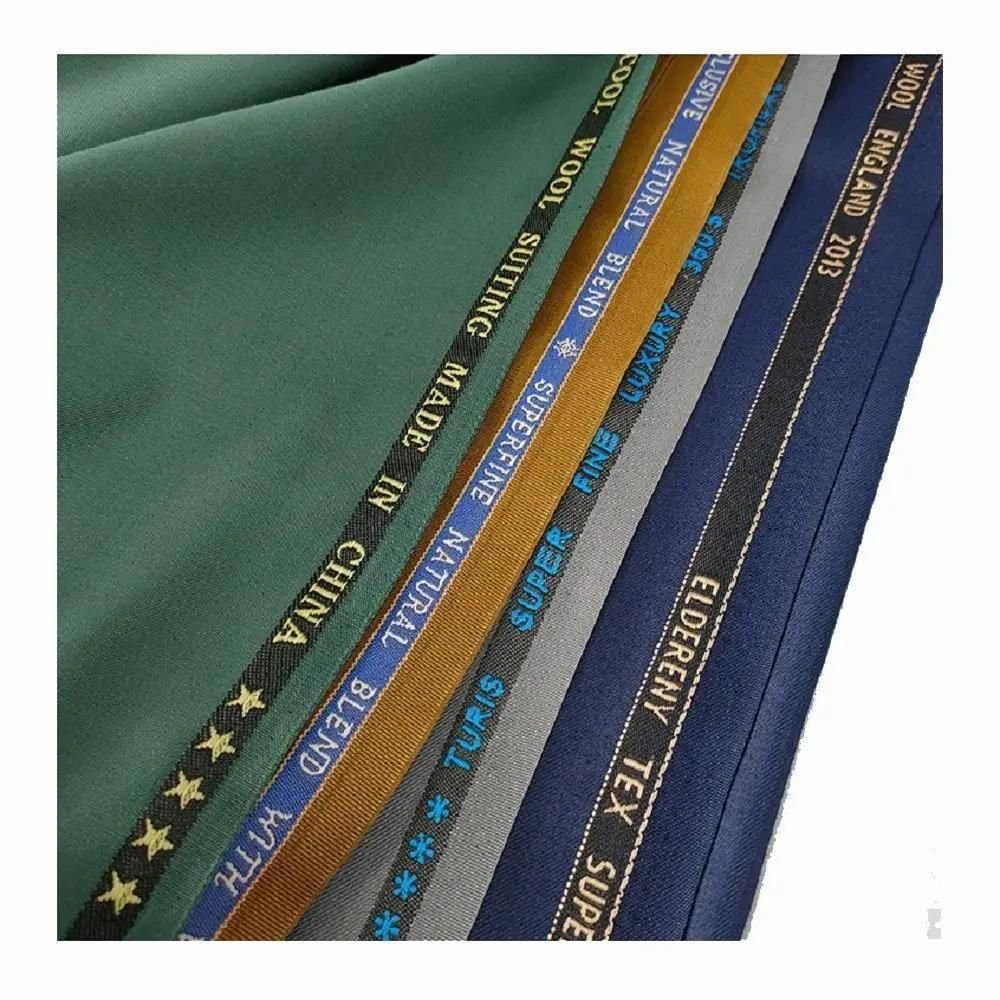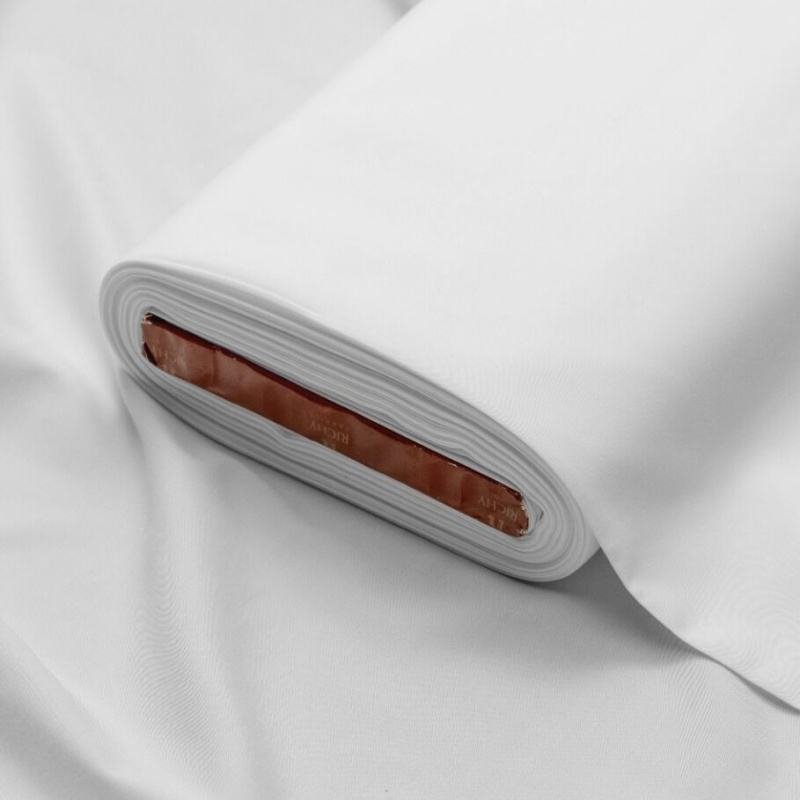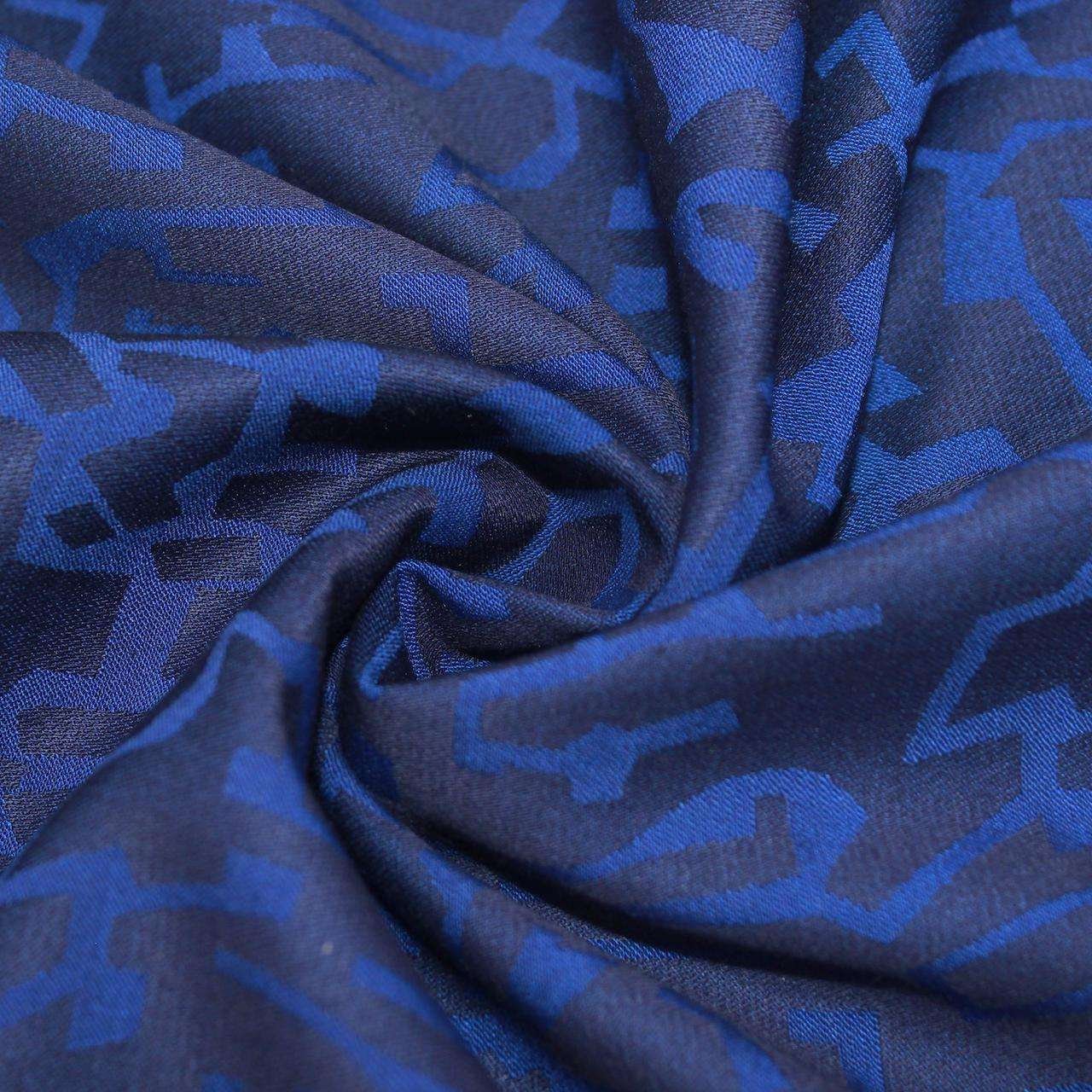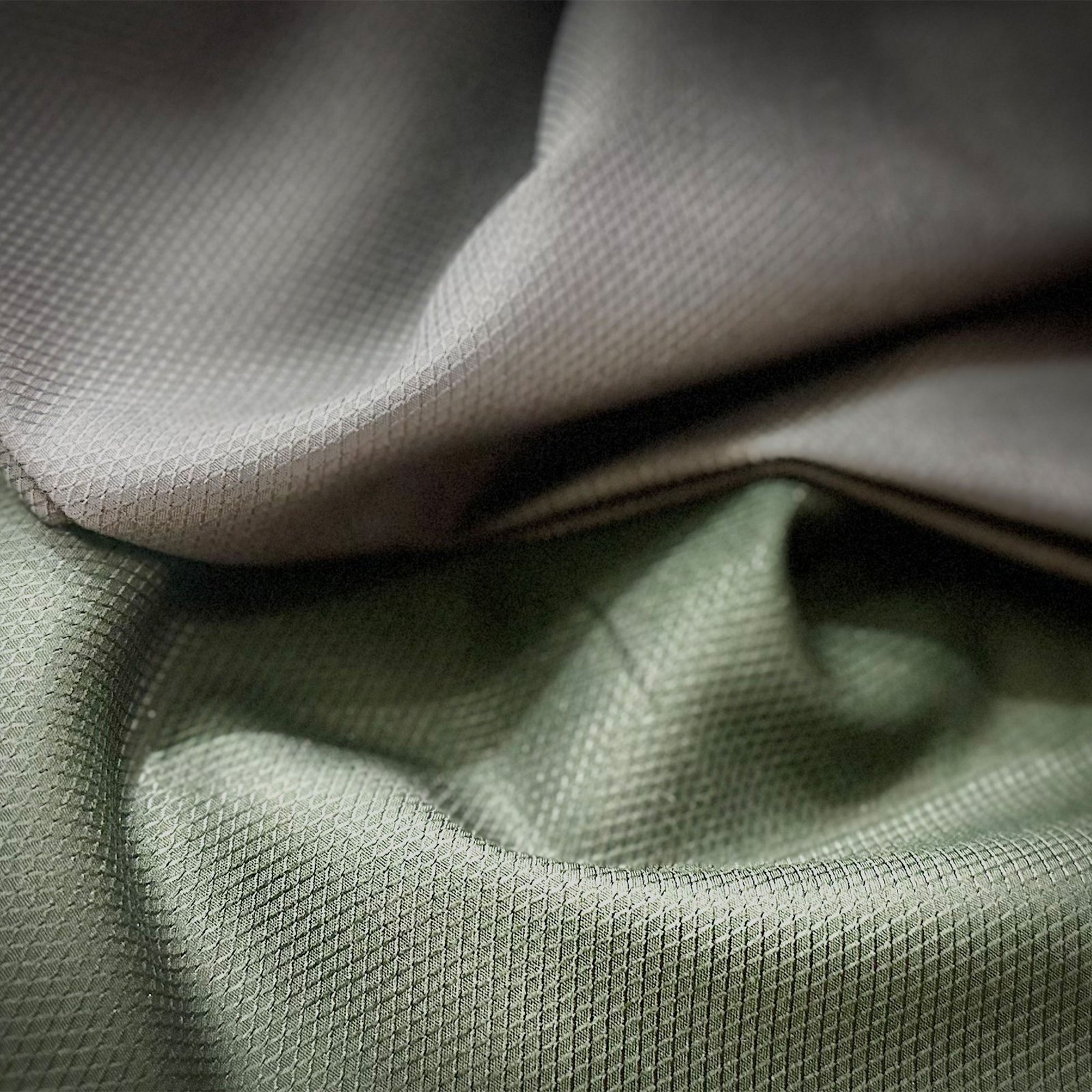
Wrinkle-free thobe fabric is polyester-based — 100% spun polyester, Micro polyester or a polyester-dominant TC blend heat-set at the mill — and it is the standard for daily Saudi, Emirati and Omani thobes because it dries smooth from the machine with zero ironing. In a decade of exporting thobe fabric to the GCC, we see roughly seven out of ten orders land on polyester, and the single most repeated buyer request behind that statistic is the same: a fabric that looks crisp at 7 a.m. without an iron. This guide explains what actually makes a thobe wrinkle-free, which GSM and construction to order, and the six-point care routine that keeps any easy-care thobe selling quietly in the background — no returns, no complaints, no refunds.
The One-Minute Answer: What Makes Thobe Fabric Wrinkle-Free
A fabric is wrinkle-free when its fibres return to a smooth state after bending, and in thobe fabric that means heat-set polyester. Polyester is a synthetic fibre with elastic memory; during finishing the mill heat-sets the fabric at high temperature so the yarn “remembers” being flat. When the garment is washed, the fibre relaxes back toward that flat state as it dries. Cotton, by contrast, has no such memory — it creases, holds the crease, and needs heat and pressure from an iron to reset.
| Fabric | Wrinkle resistance | Ironing needed | Typical GSM | Price range (bulk, per meter) |
|---|---|---|---|---|
| 100% spun polyester | Excellent | None | 100–140 | $0.76–$1.05 |
| Micro polyester | Excellent | None | 110–125 | $0.80–$1.10 |
| TC blend (65/35 poly-cotton) | Very good | Occasional light steam | 110–140 | $0.85–$1.15 |
| TR blend (poly-rayon) | Good | Light steam | 150–220 | $0.90–$1.40 |
| 100% cotton | Poor | Iron after every wash | 120–200 | $1.10–$1.60 |
The commercial pattern is consistent: the more polyester in the blend, the fewer care complaints, the lower the return rate, and the safer the first order for a new buyer.
Why Polyester Is the Non-Iron Standard for Thobes
Polyester dominates thobe fabric because three properties line up exactly with what a Gulf daily-wear garment needs: shape memory, low moisture absorption and quick drying. Each one removes a step from the wearer’s morning routine.
- Shape memory — the heat-set fibre springs back from creasing, so a thobe hung to dry comes out smooth.
- Low moisture absorption — polyester absorbs under 1% moisture, so the fabric dries in 2–4 hours instead of overnight.
- Whiteness stability — with an anti-yellowing finish, white polyester stays white longer than cotton under strong Gulf sunlight and repeated washing.
- Colour fastness — polyester holds dye tightly, so navy, beige and grey thobe colours do not fade or bleed.
- Low maintenance — no ironing, no special detergents, no shrinkage beyond 1–2% when properly heat-set.
For a wholesaler or garment factory, these properties translate directly into cost: no pressing line in the workshop, fewer damaged returns, and a product the end customer reorders. The care conversation with the consumer is short, which is exactly what a B2B buyer wants from a fabric.
Micro Polyester: The Best Wrinkle-Free Thobe Fabric to Order
Micro polyester is the safest wrinkle-free thobe specification because microfiber yarns at 0.5–1.0 denier give it a cotton-soft hand without giving up any of polyester’s non-iron behaviour. The “Micro” filament is roughly five times finer than standard polyester, which changes how the fabric feels and drapes — it looks and feels closer to cotton but behaves like polyester in the wash.
Our standard recommendation for daily Saudi thobes is spun polyester Micro at 110–125 GSM. This weight is dense enough to stay opaque and drape cleanly, light enough for year-round Gulf wear, and fast-drying in the region’s indoor climate. Buyers who start with this spec typically validate one trial colour, then scale the same construction across their range.
Below 100 GSM, the fabric starts to look thin and creases show more easily. Above 140 GSM, the same construction costs more per meter without a visible improvement in wrinkle resistance — you are paying for weight the customer did not ask for.
TC and CVC Blends: Cotton Comfort with Non-Iron Behaviour
TC (65/35 polyester-cotton) and CVC (cotton-majority, around 60/40) sit between the two fibres on every property, and TC is the blend to offer when a buyer wants cotton comfort without ironing. The polyester content carries the wrinkle resistance and quick drying; the cotton content improves breathability and softness. TC at 110–140 GSM is a standard choice for everyday thobes, hotel and airline staff uniforms, and school programmes where laundry runs every day.
CVC works differently: with cotton in the majority, the fabric feels more like cotton and breathes better, but it creases noticeably more and needs occasional light steaming. The honest position to give a buyer is a simple trade-off: TC for zero-iron programmes, CVC for comfort-led collections where a steamer is acceptable.
One practical note from the factory floor: always confirm the heat-set finish in writing. Two fabrics with the same composition and GSM can differ in wrinkle resistance because one was properly heat-set and the other was not. Ask the mill for the finishing spec before you approve the bulk order.
The 6-Point Care Routine for Non-Iron Thobe Fabric
A wrinkle-free thobe fabric still needs correct care — the six habits below keep the garment smooth and the fabric looking new for 100+ washes. Share this list with your retail customers or print it on a hang tag; it reduces after-sale complaints measurably.
- Wash at 30–40°C on a gentle cycle. Hot water sets creases into synthetic fibre and accelerates pilling.
- Use fabric softener in the rinse. It reduces static cling, which is what makes polyester stick and crease.
- Never wring or high-speed spin. Deep creases pressed into hot polyester are the hardest to remove.
- Shake firmly before hanging. One strong shake resets most wrinkles before drying begins.
- Hang on a wide wooden or plastic hanger and air dry. Wide shoulders prevent the shoulder crease that narrow wire hangers cause.
- Steam, don’t iron. For any stubborn crease, a handheld steamer or a steamy bathroom relaxes the fibre in seconds — a hot iron risks melting the synthetic yarn and leaving a permanent shine.
If a customer asks about travel: a polyester thobe packed in a suitcase for a flight typically relaxes its folds within 30–60 minutes of hanging in a humid bathroom. That single fact sells more non-iron thobe fabric to business travellers than any other feature.
What to Check When You Order Non-Iron Thobe Fabric
Before you commit to a wrinkle-free thobe fabric order, verify five things: composition, GSM, heat-set finishing, whiteness stability and the wash test. These five checks take a mill ten minutes to answer and save a buyer months of complaints.
- Composition — confirm the polyester percentage in writing; “polyester” on a label can hide a 50/50 blend.
- GSM — request 110–125 GSM for daily thobes and reject anything below 100 GSM for a non-iron programme.
- Heat-set finishing — ask whether the fabric is heat-set and at what temperature; this is the technical step that makes it non-iron.
- Whiteness stability — request the anti-yellowing finish on white, and ask for the test report if the mill claims it.
- Wash test — order a sample, wash it five times at 40°C, and inspect for creases, shrinkage and pilling before approving bulk.
The wash test is the one step buyers skip most often, and it is the step that predicts every other complaint. A fabric that survives five machine washes without creasing will survive a year of customer use.
Wrinkle-Free vs Premium: Where to Draw the Line
Wrinkle-free performance is a polyester feature, so the trade-off is simple: non-iron polyester for daily lines, TR, dobby or jacquard for ceremonial and premium collections. TR (polyester-rayon) at 150–220 GSM drapes with more weight and movement, which is why it is the go-to for Ramadan, Eid and wedding thobes that need to photograph well. Dobby and jacquard weaves add texture that reads as premium in the shop.
None of these premium constructions is fully non-iron. TR needs light steaming, and dobby and jacquard crease along the pattern. The honest segmentation — and the one our GCC customers use — is: polyester Micro for the daily core line, TR and patterned weaves for seasonal premium drops. You can read our polyester vs cotton thobe fabric guide for the full fibre comparison, and our wholesale price and sourcing guide for current bulk pricing and MOQ levels. Buyers who need the measurable version of this subject — crease recovery angles, ISO 7768 smoothness grades after laundering, and the twelve lines to write on a purchase order — will find them in our wrinkle free thobe fabric specification guide.
Order Non-Iron Thobe Fabric with a Verified Finish
The fastest way to start is a wash-tested sample: tell us your target GSM, blend and quantity, and we will send swatches of heat-set, non-iron constructions for your five-wash test. As a factory-direct thobe fabric supplier with ten years of GCC export experience, we keep 110–125 GSM spun polyester Micro in stock, can develop TC and CVC blends to your spec, and quote within 24 hours. Request your samples through our contact page or reach us on WhatsApp to confirm composition, GSM and heat-set finishing before you commit to bulk.
Frequently Asked Questions
What is wrinkle-free thobe fabric?
Wrinkle-free thobe fabric is a polyester-based construction that returns to a smooth surface after washing and drying without ironing. In practical terms it means 100% spun polyester, Micro polyester at 0.5-1.0 denier, or a polyester-dominant blend such as TC (65/35 polyester-cotton) woven at 100-140 GSM. Polyester fibres have natural shape memory: when the yarn is heat-set during finishing, the fabric remembers the smooth state and springs back after creasing. This is why roughly seven out of ten thobe fabrics exported from China to Saudi Arabia and the GCC are polyester-based. A genuinely wrinkle-free thobe fabric is heat-set at the mill, not treated with a surface coating that washes out.
Is polyester thobe fabric wrinkle-free?
Yes, 100% spun polyester thobe fabric is naturally wrinkle-free because polyester fibre has elastic memory and absorbs almost no moisture, so wrinkles relax overnight when the garment is hung. A polyester thobe pulled from the washing machine, shaken and hung on a hanger dries smooth in 2-4 hours in normal Gulf indoor conditions. The main caveat is quality: cheaper polyester that is not properly heat-set can hold creases and develop a permanent sheen after repeated hot ironing. In our export experience, buyers who standardize on 110-125 GSM spun polyester Micro receive the fewest care complaints, because the fine filaments drape well and the heat-set finish holds. TC blends at 65/35 polyester-cotton also stay largely wrinkle-free while adding a small amount of cotton comfort.
How do I keep a thobe wrinkle-free?
Keep a thobe wrinkle-free with five habits: wash at 30-40 degrees Celsius in a gentle cycle, use fabric softener to reduce static, shake the garment firmly before hanging, hang on a wide wooden or plastic hanger to air dry, and iron at the lowest synthetic setting only if needed. Do not wring a polyester thobe or spin-dry it at high speed, because deep creases set into hot synthetic fibre and are hard to remove. If a crease appears, hang the thobe in a steamy bathroom or use a handheld steamer rather than a hot iron, which risks melting the fibre. For cotton or cotton-heavy blends, the same routine works but expect light creasing that a quick steam removes in seconds.
What GSM is best for a non-iron thobe?
The best GSM for a non-iron thobe is 110-125 GSM in spun polyester Micro for daily wear, because this weight is opaque enough to drape cleanly yet light enough to air-dry smooth in the Gulf climate. Below 100 GSM the fabric looks thin and wrinkles show more easily; above 140 GSM the fabric is heavier, costs more per meter and takes longer to dry without any improvement in wrinkle resistance. For winter and premium collections, TR or dobby weaves at 150-220 GSM give a richer drape, but they are not the first choice for a customer whose priority is zero ironing. Most Saudi and Emirati importers standardize on the 110-125 GSM range for their core daily-thobe line.
Can cotton thobe fabric be wrinkle-free?
Pure cotton thobe fabric cannot be truly wrinkle-free, because cotton absorbs 8-10% moisture and its fibres crease under pressure, which is why 100% cotton thobes need ironing after every wash. Mills can apply a resin finish that reduces creasing, but the effect weakens after 20-30 industrial washes and the treatment stiffens the hand feel. The practical answer for buyers is a TC blend with at least 50-65% polyester, which keeps most of cotton”s breathability while staying almost as easy-care as pure polyester. If a customer insists on a cotton-rich garment, set expectations honestly: offer pre-shrunk cotton, recommend a steamer, and price for the extra labour. In our experience, buyers who promise a no-iron product to Gulf customers standardize on polyester or TC, not cotton.