Polyester is the dominant thobe fabric because it keeps a crisp, wrinkle-free drape through a full day in the Gulf heat, washes easily and holds its shape, while pure cotton creases, shrinks and fades faster. In ten years of exporting thobe fabric to Saudi Arabia and the GCC, the practical default for most buyers is 100% spun polyester Micro or a TC blend at 110–125 GSM, with cotton reserved for premium, breathable collections. This guide compares both fibers side by side — comfort, durability, price, care and GSM — so you can specify the right thobe fabric for your market and budget.
Polyester vs Cotton Thobe Fabric: The One-Minute Answer
Neither fiber is universally better; the right thobe fabric depends on season, price point and end customer, but polyester wins on every commercial metric except breathability. The table below summarizes the difference for thobe production.
| Property | Polyester thobe fabric | Cotton thobe fabric |
|---|---|---|
| Wrinkle resistance | Excellent — stays crisp all day | Poor — creases quickly |
| Breathability | Moderate | Excellent |
| Moisture absorption | Low (0.4–0.8%) | High (8–10%) |
| Drying speed | Very fast | Slow |
| Shrinkage | Minimal, below 3% | 3–5% unless pre-shrunk |
| Colour fastness | Excellent, resists fading | Moderate, fades with washing |
| Ironing needed | Rarely | After every wash |
| Typical price per meter | $0.76–$1.05 (Micro) | 30–50% higher than equivalent polyester |
| Best season | All-year, especially summer | Winter and premium lines |
| Typical use in thobes | Daily thobes, workwear | Traditional, luxury, home wear |
For a wholesale buyer comparing thobe fabric, the pattern is consistent: polyester and polyester-dominant blends give the lowest cost, the fewest care complaints and the most reliable supply, while cotton sells on comfort and heritage at a higher price.
What Thobe Fabric Is Made Of: Composition Basics
Thobe fabric composition is the first specification to fix, because it drives every other property — drape, price, care and shrinkage. Five constructions cover the vast majority of thobes exported from China today.
- 100% spun polyester (Micro) — the workhorse of daily Saudi thobes; crisp, cheap and easy-care, typically 110–125 GSM.
- TR (polyester-rayon, 65/35 or 70/30) — a softer, more premium drape for ceremonial thobes and kanduras.
- TC (polyester-cotton, 65/35) — cotton comfort at a polyester price; a popular compromise.
- CVC (cotton-majority, 60/40 cotton/polyester) — more breathable than TC, still easy-care.
- 100% cotton — traditional and breathable, but crease- and shrink-prone.
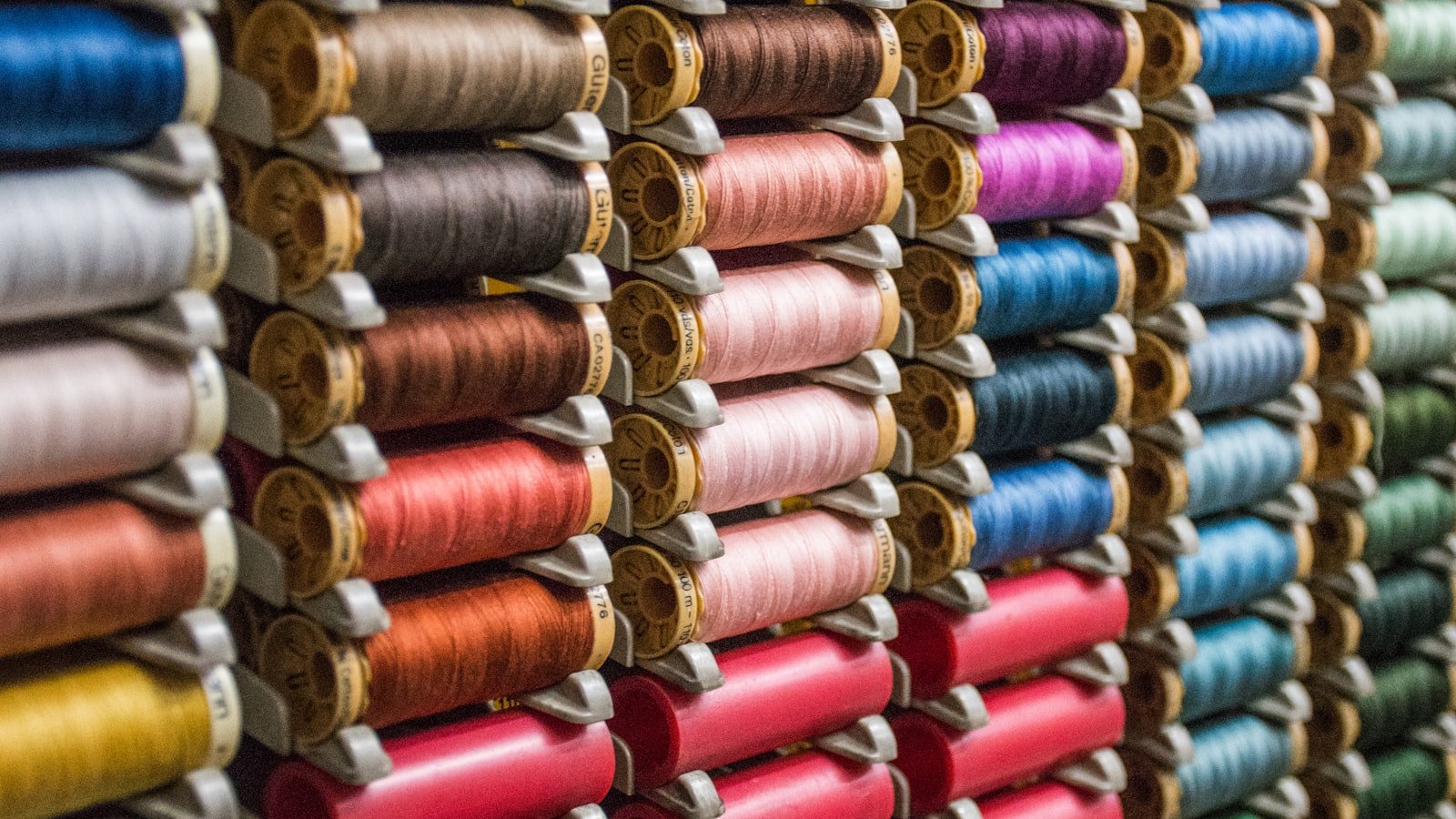
The blend ratio is not decoration: every 10% of cotton added to a polyester base improves breathability and hand feel but raises cost and care requirements. That is why TC and CVC exist — they sit between the two fibers on every single property in the table above.
Polyester Thobe Fabric: Why It Dominates the Saudi Market
Polyester thobe fabric dominates the Saudi market because daily wear demands a fabric that stays presentable from morning prayer to evening, and polyester is the only mainstream fiber that delivers that without constant ironing. Spun polyester Micro is the best-selling construction we ship to Riyadh and Jeddah, and the reasons are commercial as much as practical.
- Wrinkle resistance — polyester fibers have natural memory; a thobe pulled out of a machine wash and hung dries smooth, which matters for men who wear one daily.
- Durability — polyester resists abrasion and repeated washing far better than cotton; a polyester thobe survives years of weekly washing.
- Whiteness stability — with an anti-yellowing finish, white polyester stays white longer than cotton, which yellows with repeated washing and sunlight.
- Quick drying — polyester dries in a fraction of the time cotton needs, important in humid Gulf cities and for hotels and uniform programs.
- Price — at $0.76–$1.05 per meter for Micro in bulk, polyester is the lowest-cost construction that still looks premium.
One detail many importers miss: the “Micro” in Micro polyester refers to microfiber yarns (around 0.5–1.0 denier per filament), which give a much softer, cotton-like hand than standard polyester while keeping all the easy-care benefits. That softness is why a well-made polyester thobe does not feel synthetic — it feels smooth and drapes well.
Cotton Thobe Fabric: Where It Still Shines
Cotton thobe fabric still holds a clear niche: breathability and comfort in extreme heat, plus the traditional hand feel that a segment of Gulf buyers specifically requests. In summer months, a lightweight cotton thobe breathes noticeably better than polyester, which matters for outdoor workers and for customers who sweat heavily.
- Breathability — cotton absorbs 8–10% moisture and lets air pass through, keeping the wearer cooler.
- Comfort — cotton softens with washing and never feels slick against the skin.
- Heritage value — traditional thobes in parts of Saudi Arabia and the UAE are still associated with cotton, and some premium brands build their identity on it.
The costs of that comfort are real: cotton thobes crease within hours, shrink 3–5% if not pre-shrunk, fade faster and cost 30–50% more per meter. For a retailer, cotton also means more customer complaints about ironing. Our advice to Gulf importers is consistent: if your customer profile is daily wear or uniform programs, go polyester or TC; if you sell premium or traditional lines where breathability is the selling point, cotton or a CVC blend is the honest answer.
GSM and Weight: The Number That Decides Everything
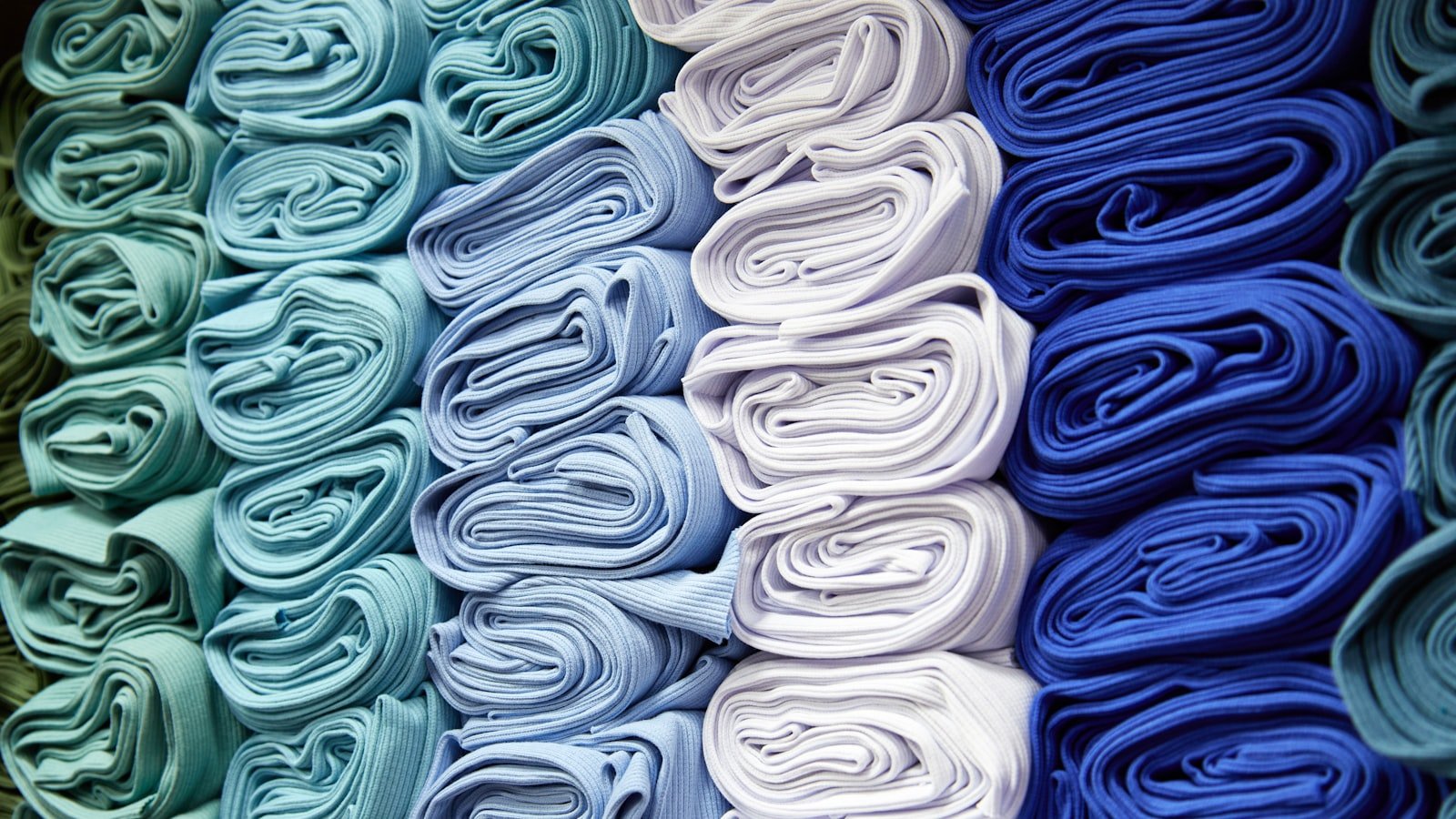
GSM (grams per square meter) is the single most useful number on a thobe fabric spec sheet, because it controls drape, opacity, comfort and price together. In our experience, the best-selling daily thobe fabric is spun polyester Micro at 110–125 GSM, which is dense enough to drape well and stay opaque, yet light enough for year-round Gulf wear.
| Season / use | Recommended GSM | Typical construction |
|---|---|---|
| Summer daily thobe | 100–115 | Polyester Micro, TC |
| Everyday thobe | 110–125 | Polyester Micro (best-seller) |
| Winter thobe | 150–180 | TR suiting, heavier polyester |
| Premium / ceremonial | 180–220 | TR, jacquard, dobby |
Two practical rules from our production planning: below 100 GSM, a plain thobe fabric starts to look thin and may be semi-transparent under bright light; above 140 GSM, the same fabric feels heavier and costs more per meter without a visible quality jump. Fix the GSM before comparing prices, because two quotes for “Micro thobe fabric” can hide a 30–40 GSM difference that changes both hand feel and cost.
Price, Care and Lifespan: The Practical Differences
The commercial gap between polyester and cotton thobe fabric shows up in three places: purchase price, laundry behaviour and how long the garment looks new. These matter more to a buyer than any lab test, because they decide reorder rates.
- Price — polyester Micro at $0.76–$1.05 per meter versus cotton at roughly 30–50% more for an equivalent construction; TC sits in between.
- Laundry — polyester: machine wash, hang dry, minimal ironing; cotton: needs gentle cycles, pre-shrink treatment and ironing after every wash.
- Lifespan — polyester thobes keep their shape and whiteness for years; cotton thobes wear at the collar and cuffs sooner and fade faster.
- Colour — polyester holds dye fastness far better; cotton whites yellow and coloured cotton fades with repeated washing.
For uniform programs — hotels, security companies, staff wear — the decision is essentially automatic. Polyester or TC thobe fabric is specified because it minimizes laundry costs, keeps staff presentable and lasts through the contract. A hotel in Dubai running 200 staff thobes through industrial washing saves thousands of dollars a year on fabric replacement and ironing labour compared with cotton.
Which Thobe Fabric Should You Choose?
Choose your thobe fabric by customer segment and season, not by personal preference, and the pattern below covers most Gulf markets. If you are unsure, start with a best-seller: 110–125 GSM spun polyester Micro, then validate with one trial colour.
- Daily-wear wholesalers (Saudi Arabia, GCC) — 100% spun polyester Micro at 110–125 GSM; it is what most of the market already buys.
- Summer collections (May–September) — lightweight polyester or TC at 100–115 GSM; cotton only if you sell a premium breathability story.
- Premium and ceremonial lines (Eid, weddings) — TR at 150–180 GSM or jacquard/dobby weaves at 180–220 GSM for a richer drape and texture.
- Traditional or religious product lines — cotton or CVC where comfort and heritage are the selling point, with clear care instructions for the retailer.
- Hotel and uniform programs — TC at 120–140 GSM; the cotton content improves comfort while polyester keeps laundry costs low.
The same logic applies to regional names: what a Saudi buyer calls thobe fabric is the same category as the Emirati kandura fabric and the Omani dishdasha fabric. Specification, not terminology, is what changes the order.
How to Order Thobe Fabric in Bulk: The 4-Step Flow
Ordering thobe fabric in bulk follows the same four steps whether you buy polyester, cotton or a blend, and each step has a documented pitfall. The full price picture, including per-colour MOQs and payment terms, is in our thobe fabric wholesale price and sourcing guide.
- Selection — fix composition, GSM, width (58–60 inches), finish and colour count; shortlist two constructions.
- Sampling — request swatches and lab dips of the exact white you will order; check drape, hand feel and whiteness under natural light.
- Confirmation — approve the spec sheet, MOQ per colour, price, lead time and payment terms (T/T or L/C) before production.
- Production — confirm shrinkage and colour fastness batch reports, then arrange inspection or review the bulk lot test report before shipment.
For the polyester-cotton decision specifically, our TC vs TR fabric guide for thobes covers the two most common blended constructions in more depth, including which one drapes better for ceremonial wear.
Timing matters as much as specification: the Ramadan and Eid season runs on a 2–3 month lead time, and thobe fabric suppliers in China book weaving and dyeing capacity for that window early. A buyer who confirms an order 8–10 weeks before Ramadan gets his allocation; a buyer who waits until the last month pays more or waits for the next production slot. If you are planning a thobe fabric order, the cost of a wrong fiber choice is a full season of slow-moving stock, so compare polyester and cotton honestly before you commit.
Ready to compare real prices? Send your specification — composition, GSM, width and estimated meters per colour — through the thobefabric.com enquiry form or WhatsApp, and our export team will reply with factory-direct pricing on polyester, TC and cotton thobe fabrics within one working day. We have shipped daily-wear thobe fabric to Saudi Arabia, the UAE and Qatar for over ten years and can advise on the right construction for your market before you spend a single dollar on sampling.
Frequently Asked Questions
What is the best fabric for a thobe?
The best fabric for a thobe is 100% spun polyester Micro at 110–125 GSM for daily wear, because it stays crisp, resists wrinkles and survives frequent washing at the lowest cost. For summer, lightweight polyester or TC around 100–115 GSM keeps the wearer cooler. TR (polyester-rayon) at 150–180 GSM gives a softer, premium drape for ceremonial thobes, and pure cotton suits buyers who prioritize breathability over easy care. Most Gulf importers order polyester or polyester-dominant blends because they hold shape and whiteness better than cotton in daily use.
Is polyester or cotton better for thobe fabric?
Polyester is better for most thobe buyers because it is wrinkle-resistant, quick-drying, colour-fast and cheaper per meter, which is why the Saudi market runs overwhelmingly on spun polyester Micro and TC blends. Cotton is better on breathability and moisture absorption, making it more comfortable in extreme heat, but it creases, shrinks and fades faster, and needs ironing after every wash. For a wholesale buyer the decision is mostly commercial: polyester at $0.76–$1.05 per meter with minimal care complaints versus cotton at a higher price with higher return risk. A TC or CVC blend is the practical compromise.
What GSM is thobe fabric?
Thobe fabric typically runs from 100 to 200 GSM depending on season and construction. Summer thobes use lightweight fabrics around 100–115 GSM, everyday thobes sit at 110–125 GSM, and winter or premium ceremonial thobes go up to 150–220 GSM. In our experience exporting to the Gulf, the best-selling daily thobe fabric is spun polyester Micro at 110–125 GSM, which balances drape, opacity and comfort. Always confirm the GSM on the spec sheet, because the same construction name can differ by 30–40 GSM between suppliers.
Why is polyester thobe fabric more common than cotton?
Polyester thobe fabric is more common because it delivers what daily wear needs in the Gulf: a crisp, wrinkle-free look that survives a full working day, quick drying and a much lower wholesale price. Polyester is also easier to finish with anti-yellowing and soft-touch treatments that keep white thobes looking new. Cotton costs roughly 30–50 percent more per meter and needs ironing after every wash. Most thobe fabric manufacturers in China produce polyester, Micro, TR and TC constructions, with cotton reserved for premium and traditional collections.
How much does thobe fabric cost per meter?
Thobe fabric wholesale prices in 2026 range from about $0.76 to $1.05 per meter for 100% spun polyester Micro at typical MOQs, with TC blends around $0.80–$1.40 and TR suiting at $0.98–$1.98 per meter. Premium jacquard and yarn-dyed constructions run from $2.50 to $5.00 per meter. Cotton thobe fabric generally costs 30–50 percent more than an equivalent polyester construction. The final quote depends on width (usually 58–60 inches), GSM, finish and MOQ per colour, so always compare quotes on the same specification.
Frequently Asked Questions
What is the best fabric for a thobe?
The best fabric for a thobe depends on the season and the buyer, but 100% spun polyester Micro at 110-125 GSM is the practical default for daily Saudi thobes because it stays crisp, resists wrinkles and survives frequent washing. For summer wear, lightweight polyester and TC blends around 100-115 GSM keep the wearer cooler. TR (polyester-rayon) adds a softer drape for premium and ceremonial thobes, while pure cotton suits buyers who prioritize breathability over easy care. A full polyester fabric is not a downgrade: most Gulf importers order polyester or polyester-dominant blends because they hold shape and whiteness better than cotton in daily use.
Is polyester or cotton better for thobe fabric?
Polyester is better for most thobe buyers because it is wrinkle-resistant, quick-drying, colour-fast and far cheaper per meter, which is why the Saudi market runs overwhelmingly on spun polyester Micro and TC blends. Cotton is better on breathability and moisture absorption, making it more comfortable in extreme heat, but it creases, shrinks and fades faster, and it needs ironing after every wash. For a wholesale buyer, the decision is mostly commercial: polyester thobe fabric at $0.76-$1.05 per meter with minimal care complaints versus cotton at a higher price with higher return risk. The practical compromise is a TC or CVC blend that keeps cotton comfort at a polyester-friendly price.
What GSM is thobe fabric?
Thobe fabric typically runs from 100 to 200 GSM depending on the season and construction. Summer thobes use lightweight fabrics around 100-115 GSM, everyday thobes sit at 110-125 GSM, and winter or premium ceremonial thobes go up to 150-200 GSM. In our experience exporting to the Gulf, the best-selling daily thobe fabric is spun polyester Micro at 110-125 GSM, which balances drape, opacity and comfort. Heavy winter TR suiting runs around 180-220 GSM. Always confirm the GSM on the spec sheet, because the same construction name can differ by 30-40 GSM between suppliers.
Why is polyester thobe fabric more common than cotton?
Polyester thobe fabric is more common than cotton because it delivers the three things a daily-wear garment needs in the Gulf: a crisp wrinkle-free look that survives a full working day, quick drying after washing, and a much lower wholesale price. Polyester is also easier to finish with anti-yellowing and soft-touch treatments that keep white thobes looking new. Cotton requires more land, water and labour to produce, costs roughly 30-50 percent more per meter, and needs ironing after every wash. The market result is clear: most thobe fabric manufacturers in China and Keqiao produce polyester, Micro, TR and TC constructions, with cotton reserved for premium and traditional collections.
How much does thobe fabric cost per meter?
Thobe fabric wholesale prices in 2026 range from about $0.76 to $1.05 per meter for 100% spun polyester Micro at typical MOQs, with TC blends around $0.80-$1.40 and TR suiting at $0.98-$1.98. Premium jacquard and yarn-dyed constructions run from $2.50 to $5.00 per meter. Cotton thobe fabric generally costs 30-50 percent more than an equivalent polyester construction. The final quote depends on width (usually 58-60 inches), GSM, finish and MOQ per colour, so always compare quotes on the same specification before ordering.