Ramadan 2027 is expected to begin around February 8, 2027, with Eid al-Fitr in early to mid-March — and because Chinese New Year falls on February 6, 2027, a Gulf wholesaler who wants Eid stock on the shelf must place bulk thobe fabric orders by mid-November 2026, complete production and loading before mid-January 2027, and use September and October to confirm samples, prices and specifications. This is the planning calendar we give every importer who asks us when to order, built from our ten years of exporting thobe, kandura and djellaba fabric to Saudi Arabia, the UAE, Qatar and Kuwait.
Why September Is the Real Starting Line
September and October are the development window for Ramadan 2027 stock: fabric sampling takes 2–4 weeks, lab dips and colour approval take another 1–2 weeks, and none of that can happen after the factory’s pre-holiday production slots fill up in November. In our experience the buyers who miss the Eid window almost never miss it by weeks — they miss it by starting late, treating November as the time to “think about” Ramadan stock when it is already the time to sign the order.
| Activity | Latest month | Why it matters |
|---|---|---|
| Send specifications, request samples | September | 2–4 weeks for swatches; hand feel must be validated on real cloth |
| Approve lab dips and colours | October | White shades are easier; coloured and jacquard styles need dip rounds |
| Confirm prices and MOQ in writing | October | Locks pricing before the 5–10% seasonal uplift |
| Place order, pay 30% deposit | By mid-November | Reserves weaving capacity and the pre-CNY production slot |
| Complete production and loading | By mid-January 2027 | Beats the CNY shutdown and the freight rate spike |
A factory can tell within a week whether it has capacity in the Ramadan window. Ask for a written production slot in September, not a verbal promise in December.
The 2027 Calendar: Ramadan, Eid and Chinese New Year in One View
Three dates collide in the first quarter of 2027: Ramadan begins around February 8, Chinese New Year falls on February 6, and Eid al-Fitr follows in early to mid-March — which means the entire Ramadan production window sits inside the Chinese New Year disruption. This collision is the single most important fact for thobe fabric buyers this season.
| Event | Expected date | Sourcing implication |
|---|---|---|
| Ramadan 2027 begins | ~February 8, 2027 (moon-sighting confirms) | Stock should already be in the region |
| Chinese New Year 2027 | February 6, 2027 | Factories close ~Feb 6–14; reduced output mid-Jan to early Mar |
| Eid al-Fitr 2027 | ~March 9–11, 2027 | Final sell-in point for Ramadan stock |
| Eid al-Adha 2027 | ~May 16–17, 2027 | Second demand peak; order window Feb–Mar |
Dates are astronomical projections and can shift one to two days with moon sighting, so plan with a buffer. The structural point does not move: any thobe fabric order that is not finished by mid-January 2027 will very likely land after Eid al-Fitr.
Working Backwards from the Eid Shelf Date
The arithmetic of a Ramadan thobe fabric order is: 20–35 days of production, 25–40 days of sea freight to Jeddah, Dubai or Doha, plus a distribution buffer of 2–4 weeks — so the last safe order date for a factory-direct bulk order is roughly ten to twelve weeks before the goods must arrive, which lands in November 2026. Here is the full reverse timeline we recommend:
- Now – October 2026 — Confirm construction, GSM and white shade; receive and approve physical samples; agree price, MOQ and delivery date in writing.
- By mid-November 2026 — Place the purchase order and pay the 30 percent T/T deposit. This is the cut-off for a comfortable schedule.
- November–December 2026 — Bulk production, dyeing and finishing. White polyester programmes run fastest; jacquard and dobby need the full window.
- Mid-January 2027 (latest) — Final inspection (AQL 2.5), loading and vessel departure before the CNY rush.
- Late January–February 2027 — Sea transit; goods clear at Jeddah or Jebel Ali.
- February 2027 — Stock reaches wholesaler warehouses and retail distribution begins ahead of Ramadan.
If you miss the November window, the honest options are air freight (which can add $1.50–$3.00 per meter to landed cost), or a reduced fill-in order of stock colourways — not a rushed full range that arrives after Eid. A serious supplier will tell you this straight rather than take an order it cannot ship on time.
What Usually Sells in the Ramadan and Eid Season
Demand splits into two streams in the Ramadan and Eid window: high-volume white 110–125 GSM polyester and microfiber for daily wear and evening prayers, and smaller-volume TR, dobby and jacquard from 150–220 GSM for the formal and festive Eid segment. Range planning should reflect that split.
| Segment | Typical construction | GSM | Order behaviour |
|---|---|---|---|
| Daily wear (volume) | 100% polyester, microfiber | 110–125 | Large repeat orders, stock colourways |
| Year-round everyday | TC, lightweight TR | 130–150 | Steady wholesaler restocking |
| Formal / office | TR | 150–180 | Order growth before Ramadan |
| Festive / Eid | Dobby, jacquard | 150–220 | Peaks 2–3 months before Eid |
| Colour accents | Piece-dyed polyester, dobby | 120–160 | Rising share around Eid al-Fitr |
White remains the backbone, but we have watched coloured and textured styles grow every Eid season for the past several years as younger buyers add variety for gatherings. If you are testing a new festive construction, run a small batch (1,000–3,000 meters) in one colourway in this cycle rather than a wide range — the data from one Eid will tell you what to scale for the next.
How Factories Book Capacity — and What That Means for You
Serious thobe fabric mills book weaving and dyeing capacity on a rolling basis, and in the two to three months before Ramadan and Eid they quote 5–10 percent higher on hot constructions and refuse last-minute slots — so an early specification and deposit do more for your delivery date than any amount of urgency in December. Capacity is allocated to orders that are confirmed, not to enquiries.
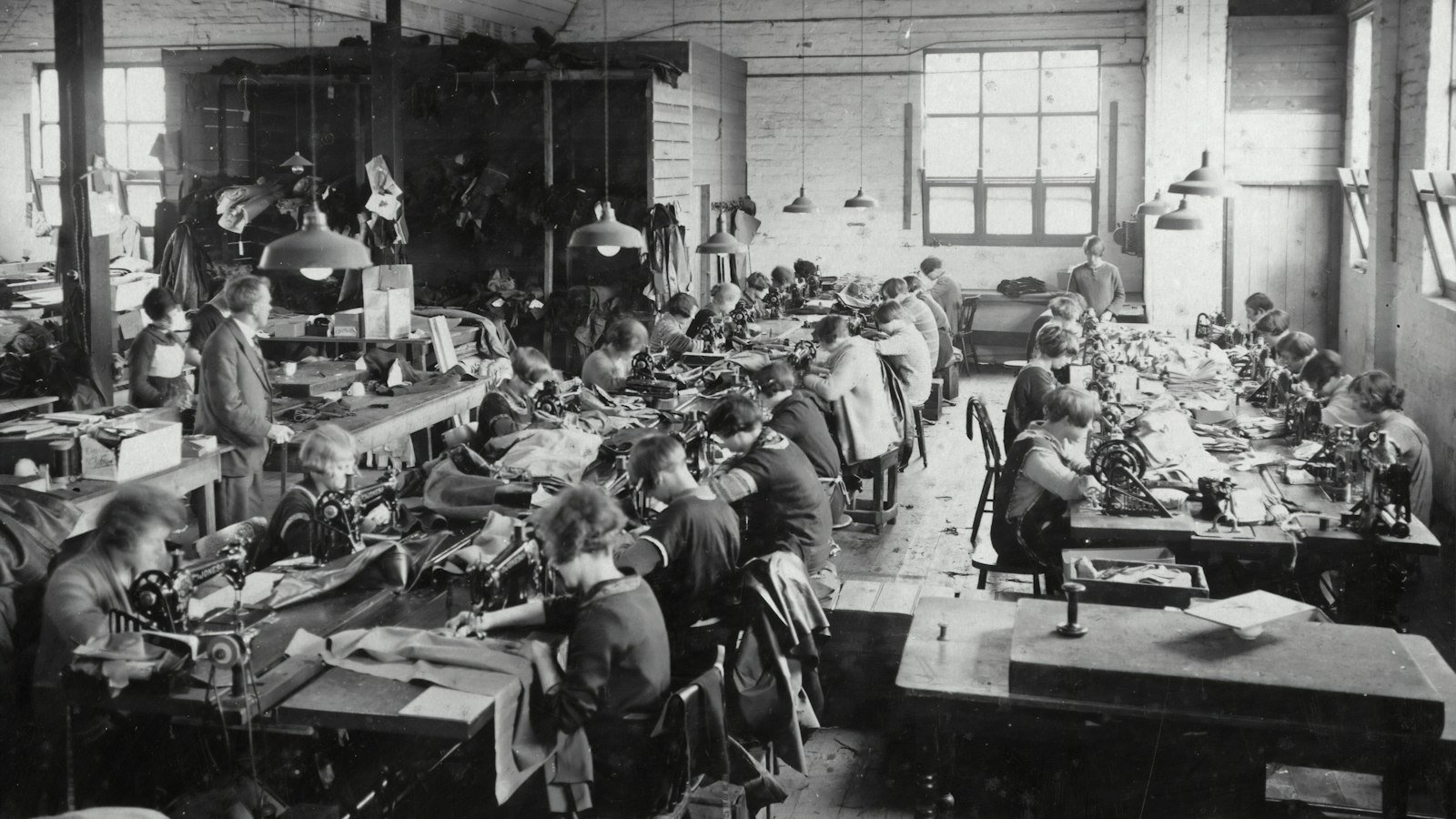
In practice this means three things. First, send a written specification (composition, finished GSM, width, colour) rather than an open “what do you have for Ramadan” question — the specific brief gets the honest answer about availability. Second, ask for a written production slot and delivery date at the quotation stage. Third, expect to pay the deposit to lock the slot: an order without a deposit is a forecast, not a booking. For the full picture of price bands, MOQ and payment terms, our thobe fabric wholesale price and sourcing guide covers the commercial side in detail.
Planning for Custom and Private-Label Development
Custom development — a new blend ratio, a branded weave or a private-label jacquard — needs roughly twice the lead time of a stock order, so custom Ramadan 2027 programmes should be briefed in September and confirmed by late October, with a realistic expectation of 35–60 days of development plus production. The development pipeline runs: specification and design reference, strike-off or digital draft, physical sample, lab dip, golden sample approval, then bulk.
Three timing rules protect a custom programme. Keep the design decision early — every round of pattern or shade changes consumes days that the calendar does not give back. Approve one golden sample and hold it as the reference for the whole bulk run. And book the mill’s loom time for the custom weave in the same month you approve the sample, because dobby and jacquard capacity is the first to fill before Ramadan. Our guide to custom thobe fabric manufacturing and OEM programmes walks through the development process step by step, including what documentation to expect at each stage.
The Second Peak: Planning Eid al-Adha and the Cooler Season
Eid al-Adha 2027 is projected for May 16–17, and the cooler months that follow create a second, more formal demand wave — so the fabric decisions you make for Ramadan also set up your range for the rest of the year. The formal and heavier constructions that run in the Ramadan–Eid window — TR, dobby and jacquard in 150–220 GSM — are the same families that carry winter and ceremonial sales.
| Season / occasion | Timing | Fabric focus |
|---|---|---|
| Ramadan daily restock | Oct–Nov order, Feb sell-in | White 110–125 GSM polyester, microfiber |
| Eid al-Fitr festive | Oct–Nov order, Feb–Mar sell-in | TR, dobby, jacquard 150–220 GSM |
| Eid al-Adha formal | Feb–Mar order, May sell-in | TR and jacquard, formal whites |
| Cooler months (Dec–Feb) | Aug–Oct order | 130–180 GSM, TC and TR |
A wholesaler who orders the lighter white programme and the formal range together in one November shipment saves freight and gets two seasons of stock from one container. Factories price this well too: combining constructions in one order usually improves the MOQ picture and the per-meter rate.
FAQ: Ramadan 2027 Thobe Fabric Planning, Answered
- When should I order thobe fabric for Ramadan 2027? By mid-November 2026 at the latest — production takes 20–35 days and sea freight 25–40 days, and the Chinese New Year shutdown from mid-January 2027 would push a late order past Eid.
- When is Ramadan 2027? Expected to begin around February 8, 2027, with Eid al-Fitr around March 9–11, subject to moon sighting.
- Why does Chinese New Year matter? CNY falls on February 6, 2027; mills slow from mid-January and return to full output only by March, adding six to eight weeks to any unfinished order.
- Which fabrics sell best in the season? White 110–125 GSM polyester and microfiber in volume, plus TR, dobby and jacquard at 150–220 GSM for formal and festive demand.
Planning a Ramadan 2027 thobe fabric order? Send your specification today through our RFQ form or WhatsApp, and our export team will confirm availability, a written price and a production slot within one business day — while September capacity is still open.
Frequently Asked Questions
When should I order thobe fabric for Ramadan 2027?
You should place your bulk thobe fabric order by mid-November 2026 for Ramadan 2027, because Ramadan is expected to begin around February 8, 2027 and Eid al-Fitr follows in early to mid-March. Working backwards from the Eid shelf date: bulk production takes 20-35 days, sea freight to Jeddah, Dubai or Doha takes 25-40 days, and wholesalers need the goods in their warehouses two to three months before Eid for distribution to retailers. The same window is compressed by Chinese New Year, which falls on February 6, 2027: Chinese factories slow from mid-January and most stop taking new production before the holiday, so an order placed in December risks slipping into March. September and October are the development window for confirming samples, prices and specifications, with the order and 30 percent deposit placed by mid-November and shipment completed before mid-January.
When is Ramadan 2027 and Eid al-Fitr 2027?
Ramadan 2027 is expected to begin on Monday, February 8, 2027 and to last 29 or 30 days, which places Eid al-Fitr around March 9-11, 2027, according to astronomical calculations used by the UAE Astronomy Centre and similar authorities. These dates are projections: the official start is confirmed by moon sighting one to two days before, so actual observance can shift by one or two days. Ramadan 2026 began on February 18, and the Islamic lunar calendar moves the month roughly 11 days earlier each Gregorian year, which is why 2027 Ramadan falls in February. Eid al-Adha 2027 is projected for May 16-17, about four months later, which gives buyers a second, smaller demand peak to plan for. Thobe fabric importers should build one to two weeks of buffer into their calendars rather than ordering against the exact projected date.
Why does Chinese New Year affect thobe fabric orders?
Chinese New Year affects thobe fabric orders because it falls on February 6, 2027, inside the exact window when Ramadan stock needs to be leaving the factory. Chinese mills slow production two to four weeks before the holiday, close for the statutory break around February 6-14, and then take two to four more weeks to return to full output as workers travel back and new staff are trained, so the practical disruption runs from mid-January to early March. Fabric orders that are not finished and loaded before mid-January 2027 typically slip six to eight weeks, which would push Ramadan 2027 stock past Eid. Freight rates also rise in the weeks before the holiday as every buyer rushes the same container space. The safe rule is to have bulk thobe fabric produced, inspected and loaded by mid-January, which means placing the order and paying the deposit by mid-November at the latest.
Which thobe fabrics sell best during the Ramadan and Eid season?
White 110-125 GSM polyester and microfiber thobe fabric sells in the largest volume during Ramadan because daily wear and evening prayers drive restocking, while TR, dobby and jacquard fabrics from 150-220 GSM carry the formal and festive segment for Eid gatherings. The two to three months before Ramadan and Eid are the peak ordering season for Gulf wholesalers, and demand divides into two streams: reliable white daily constructions in large quantities, and textured or patterned styles in smaller volumes at higher prices. Coloured and embroidered-look thobes gain share around Eid al-Fitr, and formal TR and jacquard peak again before Eid al-Adha. Factories raise prices on hot constructions by 5-10 percent in this window and book weaving capacity in advance, so buyers who confirm specifications and prices in September and October pay normal rates and hold a confirmed production slot.