Thobe Fabric Care: How to Wash, Iron and Store Kandura Fabric
Thobe fabric care decides how long a white Saudi thobe or Emirati kandura stays crisp — and how many returns a brand absorbs. The right thobe fabric care routine starts at the mill, with pre-shrunk finishing and wrinkle-resistant weaves, and continues at home with the correct wash temperature, drying method and storage. This guide covers both sides: what to do with the fabric once it becomes a garment, and which care-performance specs to demand from your supplier before you order bulk thobe fabric.
Why Thobe Fabric Care Matters for Buyers and Brands
The care performance of thobe fabric is a purchasing decision, not an afterthought. A fabric that shrinks 5% after the first wash or yellows after two months generates complaints, returns and negative reviews that no marketing budget can fix.
Three numbers separate quality thobe fabric from cheap cloth: shrinkage below 3%, wash color fastness at grade 4 or higher, and wrinkle recovery that returns the garment to shape within minutes. When a brand stocks micro, TR, TC or dobby fabric that meets these targets, the care burden on the consumer drops dramatically.
Retailers should print clear care instructions on the label in Arabic, English and the local language. Customers who know how to care for thobe fabric keep it looking new, reorder sooner and recommend the brand.
How to Wash Thobe Fabric by Type
The correct wash cycle depends on the fiber blend. Here is a quick reference for the fabrics used in Saudi thobes, Emirati kanduras and Moroccan djellabas:
| Fabric type | Wash temperature | Cycle | Bleach | Iron heat |
|---|---|---|---|---|
| Micro fabric (100% polyester) | 30°C | Gentle machine | No chlorine | Low, steam |
| TR fabric (polyester-viscose) | 30°C or below | Delicate or hand | No | Low, reverse side |
| TC fabric (polyester-cotton) | 30–40°C | Normal machine | No | Medium |
| Cotton thobe fabric | 40°C max | Normal | Oxygen only | Medium-high, slightly damp |
| Dobby fabric | 30°C | Gentle | No | Low-medium, reverse side |
Use a mild liquid detergent and turn the garment inside out before washing. Do not use fabric softener on micro fabric — it coats the fibers and reduces breathability. For white thobes, wash whites separately and never use chlorine bleach, which weakens polyester and turns white fabric yellow over time.
Drying and Ironing: Keep the Collar and Hem Crisp
Tumble drying is the fastest way to ruin a thobe. Heat and mechanical action shrink the fabric, distort the seams and set creases that are hard to remove. Air dry on a broad hanger in the shade, with the placket buttoned and the collar shaped by hand.
Iron thobe fabric while it is still slightly damp, using a steam iron on the setting that matches the fiber: low heat for micro and TR fabric, medium for TC and cotton. Iron the collar and cuffs first, then the body. For embroidered or jacquard thobes, iron from the reverse side or place a thin cotton cloth between the iron and the pattern so the embroidery keeps its dimension.
Stain Removal and Whitening for White Thobes
White thobe fabric shows everything — sweat marks at the collar, oil spots from food, grey tones from hard water. Treat stains before washing: blot (never rub) the mark with cold water, apply a small amount of liquid detergent directly to the stain and let it sit for ten minutes.
For yellowing, add an oxygen-based brightener and, in hard-water areas, a half-cup of white vinegar in the final rinse. Avoid leaving sweat on the fabric — perspiration residue is the main cause of collar yellowing on white kanduras. Dry in the shade, not direct sun; UV light fades and yellows white polyester.
Storing Thobe Fabric and Finished Garments
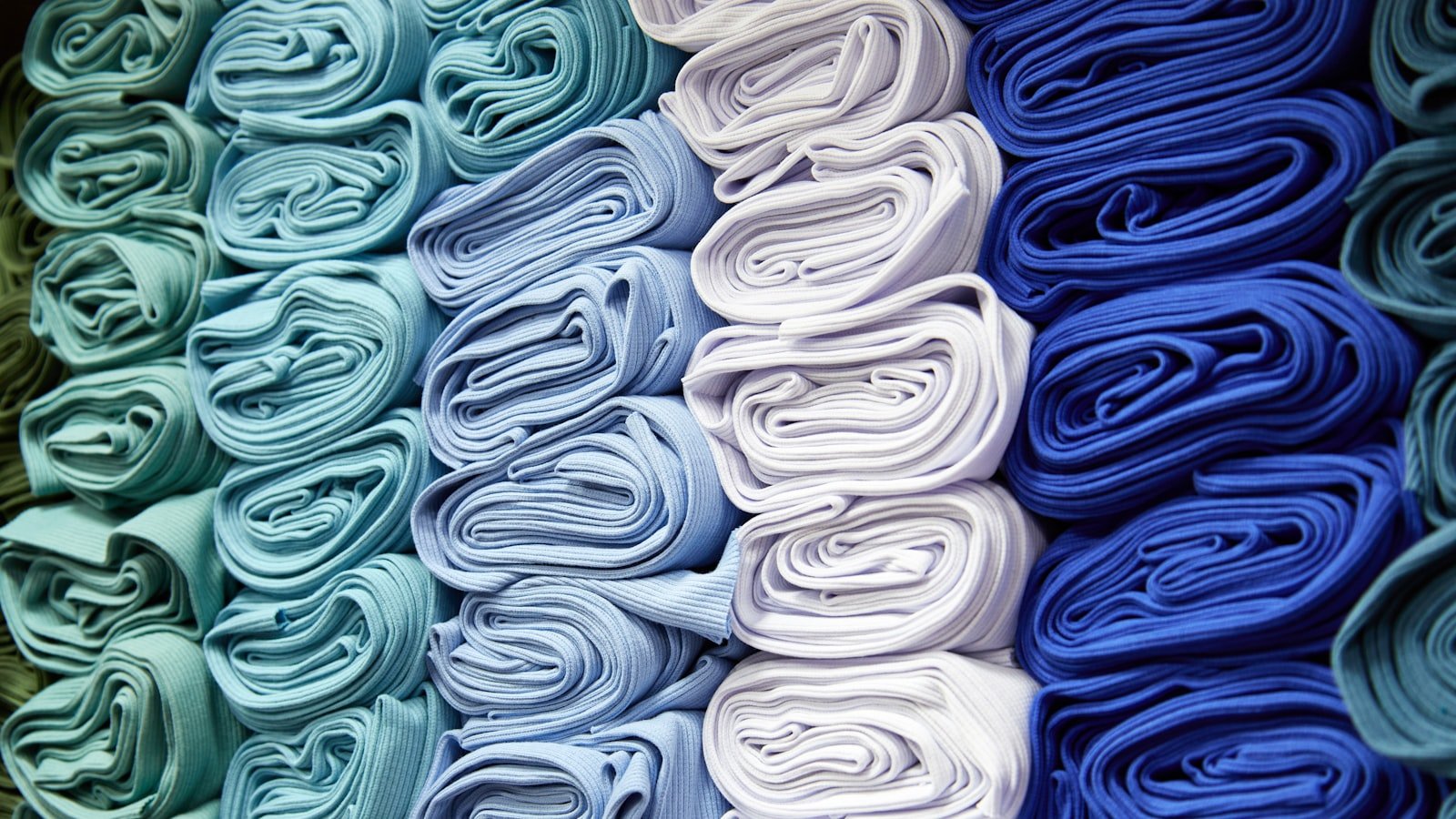
How you store thobe fabric matters as much as how you wash it. Hang finished thobes on broad hangers so the shoulders keep their shape, and store bolts of fabric flat in a dry, dark room.
Use breathable cotton garment bags, never sealed plastic. Plastic traps moisture, and trapped moisture turns white fabric yellow or grey, and can cause mildew in humid climates. Add silica gel sachets in storage areas, keep fabric away from direct sunlight, and air garments briefly before returning them to the wardrobe.
Care-Performance Specs to Request From Your Fabric Supplier
Buyers can cut most care complaints before they happen by specifying care performance at sourcing stage:
- Pre-shrunk finishing with shrinkage below 3% — otherwise the finished thobe will change size after the first wash
- Wash color fastness at grade 4 or higher on the gray scale for white and light fabrics
- Wrinkle-resistant weaves, especially micro and TC fabric, so garments look crisp with minimal ironing
- Pilling resistance test results for TR and cotton blends
- Heat-set polyester so white fabric stays white and dimensionally stable
A mill that cannot provide these test reports will not deliver consistent thobe fabric care performance. Ask for lot-specific reports, not a generic certificate from the supplier’s website.
The Bottom Line
Thobe fabric care is a shared responsibility. The mill builds in pre-shrink, fastness and wrinkle resistance; the brand communicates clear instructions; the consumer follows them. When all three work together, a quality thobe stays crisp for years instead of months.
Looking for thobe fabric that is easy to care for? Thobe Fabric supplies pre-shrunk micro, TR, TC, dobby and jacquard fabrics directly from the mill, with certified shrinkage and color fastness, flexible MOQs and fast worldwide shipping. Request your catalog and swatches today.
Frequently Asked Questions
What is the best way to wash thobe fabric?
Wash thobe fabric at 30°C or below on a gentle cycle, with the garment turned inside out. Use a mild liquid detergent without bleach or optical brighteners, because harsh whitening agents weaken polyester and viscose fibers over time. Micro fabric and TC blends handle machine washing well, while TR and cotton thobe fabric benefit from a delicate program or hand wash. Never wring or twist the wet garment — press the water out gently and hang it on a broad hanger. For white thobes, wash whites separately and use an oxygen-based brightener rather than chlorine bleach to keep the fabric bright without damaging the fibers.
How do I stop a white thobe from turning yellow or grey?
Yellowing usually comes from sweat residue, hard-water minerals, or storage in airtight plastic. Wash white thobe fabric promptly after wearing, using a full dose of detergent so oils do not re-deposit on the cloth. Avoid chlorine bleach; an oxygen brightener plus a white vinegar rinse in the final cycle removes mineral buildup in hard-water areas. Dry thobes in the shade rather than direct sunlight, because UV light yellows white polyester and fades cotton. Store clean, completely dry garments in a breathable cotton garment bag, never sealed plastic. If your fabric supplier pre-shrinks and heat-sets the fabric, the finished thobe keeps its shape and whiteness far longer across repeated washes.
Which thobe fabric is easiest to care for?
Micro fabric and TC (polyester-cotton) blends are the easiest thobe fabrics to maintain. Micro fabric dries fast, resists wrinkles, and needs almost no ironing, which is why it dominates daily-wear thobes in the Gulf. TC fabric at 65/35 or 80/20 adds breathability while staying crisp after machine washing. TR fabric (polyester-viscose) feels more luxurious and drapes better, but the viscose content makes it slightly more delicate, so it prefers a gentle cycle and lower iron heat. Cotton thobes require the most care, including steam ironing while damp. For high-volume retailers, choosing wrinkle-resistant thobe fabric directly reduces returns and customer complaints.
Can you tumble dry a kandura or thobe?
Avoid tumble drying kandura and thobe fabrics whenever possible. The heat and mechanical action cause shrinkage and can pull the garment out of shape, especially for TR blends with viscose and for cotton thobes. Even pre-shrunk thobe fabric — where the mill keeps shrinkage below 3% — will distort faster in a tumble dryer than with air drying. Instead, shake the thobe out, button it, and hang it on a broad hanger in the shade with good airflow. Iron while slightly damp with a steam iron on the temperature setting that matches the fabric: low for micro and TR, medium for TC and cotton. Proper drying and ironing keeps the collar and placket crisp wash after wash.